
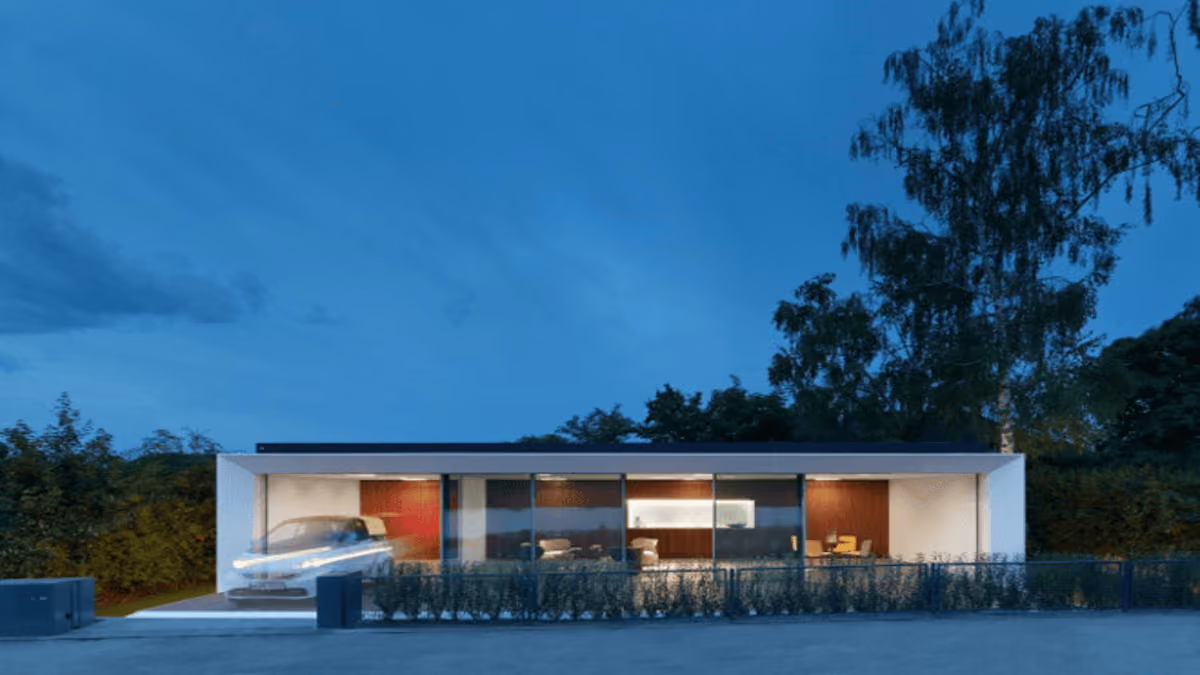
In a world increasingly aware of environmental impact, passive houses emerge as an innovative and sustainable solution for home construction and design. These buildings not only aim to minimize energy consumption but also provide optimal comfort for their occupants. Through comprehensive design strategies, passive houses reduce energy consumption by 90% compared to a conventional home. Read on as we delve into this interesting and innovative world.

A passive house is a type of building designed to maximize energy savings and minimize the need for artificial heating and cooling. This concept originated in Germany in the 1990s and has gained popularity throughout Europe, including Spain. The main idea behind passive houses is to create a residential environment that makes the most of natural energy sources, such as sunlight and natural ventilation, to maintain a comfortable indoor temperature.
To be certified as a passive house, certain energy efficiency criteria must be met, distinguishing it from conventional constructions. It focuses on efficient energy use, thermal comfort, and indoor air quality, all without the need for excessive HVAC systems.
Passive houses rely on bioclimatic architecture to achieve highly energy-efficient construction, maintaining adequate comfort for their occupants throughout the year. They possess specific characteristics that make them unique and efficient:
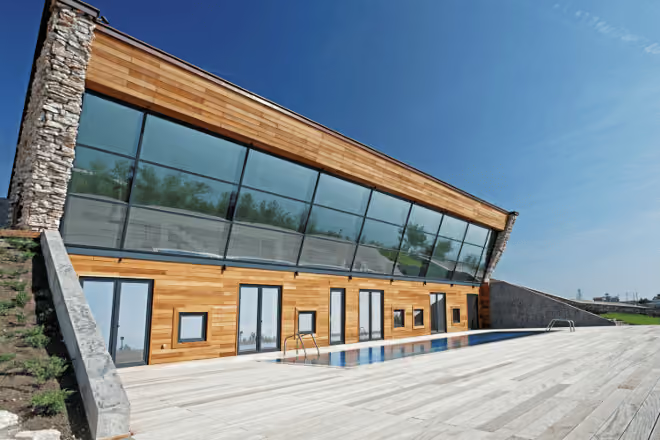
The main objective of a passive house is to reduce energy consumption, but there are other important goals that are pursued:
The operation of a passive house is based on well-established physical and thermal principles that guarantee its energy efficiency. One of the essential pillars is the passive solar heat, allowing these homes to capture solar heat through large south-facing windows. During the day, this heat is stored in the structure and gradually released at night, creating a warm and inviting atmosphere. To enhance this thermal retention, high-quality insulation is used, preventing accumulated heat from escaping in winter and, at the same time, stopping external heat from entering in summer.
Furthermore, controlled ventilation is crucial in these types of constructions. Mechanical ventilation systems with heat recovery ensure a constant flow of fresh air inside the home, while the expelled warm air is used to heat the incoming fresh air, promoting a uniform temperature throughout the house. To maximize energy efficiency, the occurrence of thermal bridges, which are points where heat can escape, is also avoided. This is achieved through the careful use of materials and construction techniques, ensuring the thermal integrity of the home. Thanks to the integration of these elements, passive houses manage to maintain a consistent indoor temperature that is comfortable year-round, with virtually zero energy consumption , representing a significant contribution to sustainability and environmental care.
Choosing a passive house offers numerous significant benefits:
Passive houses are designed to consume a maximum of 15 kWh/m² annually for heating. This contrasts drastically with traditional houses, which can consume between 100 and 200 kWh/m².
The total energy consumption of a passive house includes not only heating, but also the use of electricity for appliances and other devices. However, thanks to efficient design, many passive houses manage to generate part of their energy through solar panels, further reducing their reliance on the electricity grid.
Throughout Spain, several examples of passive houses can be found, showcasing the extraordinary potential of this technique:
All these examples highlight the versatility of passive house design and its ability to adapt to different environments and needs.
Building a passive house requires careful planning and the collaboration of various professionals, including architects, engineers, and builders. Below are some key steps:

At Domoblock, you'll find the best opportunities for real estate investment in the real estate sector, with its exclusive investor platform blockchain, backed by advanced technology and managed by experts in real estate tokenization and real estate crowdfunding. They can offer you various types of investment projects that are secure and highly profitable. Start growing your savings with an effective strategy!
You can start with as little as €200 and see returns in less than 8 months. Diversify your investments of your portfolio with Domoblock and secure your financial future and that of your family.
Passive houses represent an advanced and sustainable way of living, and are gaining popularity in Spain as a result of growing environmental awareness and the need for responsible energy solutions. By combining comfort, energy efficiency, and sustainability, they become a smart option for both new homeowners and developers.
The transition to this type of construction not only benefits individuals and families, but also contributes significantly to the global environmental cause, helping to mitigate the effects of climate change and promoting a more sustainable future. A commitment to building passive houses is, without a doubt, a step in the right direction towards a more responsible and conscious life.


.png)

41 Av. del Oeste
Funded
100%
763.249,36 €
Target
€763,249.36


.png)
.png)
.png)
.png)



.avif)
.avif)


