
Is investing in wine a smart strategy or just a whim? This is a question many people ask themselves as they look for new ways to grow their wealth. The truth is that the wine market has proven to be an interesting and lucrative arena, but it’s important to remember that it comes with very specific challenges. In this post, we’ll tell you everything you need to know and consider to decide whether investing in wine is right for you—from how to do it to its pros and cons.


Whether you’re thinking about investing in wine because you’re a connoisseur or simply because it seems like a good option, you need to get organized before you start. To help you get started, here’s a step-by-step guide:
A good plan starts with clear and realistic goals. Before you begin, it’s important to establish your investment goals. Are you looking for medium-term or long-term returns? Are you interested in collecting specific wines or investing in a wine index? Defining your goals will help you determine your investment strategy.
Once you know what you want, figure out what you have and what you’re willing to lose. In other words, how much capital do you want to invest, and how much can you afford to lose? Remember that with the different types of investments out there, nothing is guaranteed, and you must be willing to take certain risks—always without jeopardizing your overall financial well-being.
Knowledge is key to success in any investment, and wine is no exception. Take the time to learn about the different types of wine, wine regions, vintages, and the factors that affect a wine’s value. To do this, you could read books, articles, and blogs, and attend wine tastings to expand your knowledge.
There are different strategies for investing in wine, each with its own advantages and disadvantages. Some of the most common strategies include:
Depending on your investment strategy, you’ll need to select a broker or investment platform that specializes in wine. There are many options, so you’ll need to conduct further detailed research to choose the one that best suits your needs in terms of commissions, fees, and services.
If you decide to buy and sell bottles, you should know that proper storage is crucial for preserving the wine’s value. Wine bottles should be stored in a cool, dark, and dry place with consistent humidity. You can invest in a climate-controlled wine cellar or use a wine storage unit.
Investing in wine is a long-term investment, so don’t expect to make quick profits. Beyond technical preparation and research, you must work on yourself personally—learn to identify and control your emotions—so you don’t make “impulsive” decisions that you’ll later regret.
Stay informed about trends in the wine market and how the prices of the bottles you own—or the assets in which you’ve invested—are changing. This will help you make informed decisions about when to buy, sell, or enjoy your profitable investments.
As with any form of investment, it’s important to diversify your portfolio. Don’t invest all your capital in a single bottle, a single winery, or a single fund. Seek variety across regions, wineries, vintages, companies, and funds so that if one loses value, you won’t lose all your capital.
The strategies outlined in Step 4 translate into four practical approaches. It’s important to understand them before investing in wine, as each involves a different level of capital, knowledge, and risk.
This is the most traditional method: buying bottles or cases from wineries, specialty retailers, or auction houses. The value depends on both the wine itself and its condition. Original cases, intact labels, and documentation of provenance are key when it comes time to resell. That’s why many investors store their bottles in professional warehouses rather than at home.
This is the traditional system in Bordeaux. The wine is purchased while it is still in the barrel, a few months after the harvest, and is received when it is bottled, usually one or two years later. The appeal lies in accessing the initial release price. However, it does not guarantee an increase in value, and requires trusting the merchant’s financial stability throughout that entire period.
This includes specialized wine funds (often with high minimum investment amounts), platforms that purchase and manage bottles on behalf of investors, and crowdfunding campaigns for wineries. Before making a choice, check whether the platform is registered with the CNMV. If you’re purchasing individual bottles, you generally won’t have the protection afforded by a regulated financial product.
This is where bottles are resold: auctions, merchants, and professional platforms such as London-based Liv-ex, which serves as a price benchmark for the resale market. Buying and selling commissions, as well as the time it may take to find a buyer, directly affect your final profit.

It’s very difficult to offer specific options for investing in wine in 2026, since factors such as your risk tolerance, your goals, and your capital determine which option is best for you. In other words, what might be an excellent choice for you might not be for someone else. In any case, generally speaking, we can tell you that the following options are worth considering. We’ve also broken them down so you can choose or adapt them to your chosen investment strategy:
To truly succeed when investing in wine, you must have a clear understanding of the following key points:
Whatever your investment strategy, it’s crucial that you acquire a basic understanding of wine, including wine regions, grape varieties, vintages, and styles. This will allow you to make informed decisions about which companies to invest in, as well as which bottles or wineries to choose, so you don’t make investment mistakes that will hurt you in the future.
Thoroughly research the wines you’re considering investing in. Read expert reviews, compare prices, and analyze the performance history of similar wines. Stay up to date on market trends and factors that can affect a wine’s value—and do so on a regular basis.
You should have a clear, well-thought-out strategy that’s easy for you to understand and follow. This will help you avoid making hasty decisions that could potentially put your money at risk. That’s not to say your strategy has to be completely rigid—you should allow for some flexibility so you can adapt it to any unforeseen circumstances.
Don’t concentrate all your investments in a single type of wine. Diversify your portfolio by investing in a variety of regions, grape varieties, vintages, and styles. This will reduce your risk and increase your chances of making a profit.
Consider seeking guidance from a sommelier or an investment advisor who specializes in wine. These experts can help you make informed decisions and navigate the complex wine market.
Recognize and understand the risks associated with investing in wine, including market volatility, the possibility of wine deterioration, and a lack of liquidity compared to other financial assets. This will help you avoid unpleasant surprises that could put you in a bind unexpectedly. Keep in mind that the wine industry is vulnerable to floods, pests, or severe storms.
If you decide to buy and sell bottles, you must ensure that the bottles of wine you purchase are authentic and have a verifiable provenance. Authenticity is crucial for maintaining the value of your investment; moreover, selling something that isn’t what it claims to be would damage your reputation, hindering potential future sales.

It’s clear that wines aren’t just meant to delight our palates—they also offer an attractive and potentially lucrative investment opportunity. If you already think this is an appealing investment option, you’ll surely be even more convinced once we outline its advantages below:
While investing in wine is an attractive proposition, it’s crucial to understand the associated risks and challenges before making any decisions, which is why we’ve outlined them below:
The safety of investing in wine varies and depends on several factors. While it offers potential benefits—such as long-term appreciation in value, diversification of your investment portfolio, and the potential to serve as a safe haven during periods of economic uncertainty—it also carries significant risks, as we outlined in the previous section.
What we’re trying to say is that investing in wine is an attractive opportunity, but it’s not without risks. It requires knowledge, patience, and risk tolerance, and should not be viewed as a “get-rich-quick” strategy.
The wine business can be very profitable, but its profitability varies depending on several factors, including location, type of wine, marketing strategy, and product quality. Here is a detailed look at the factors that determine profitability in this sector:
In summary, the wine business has great potential for profitability, especially for those who succeed in combining quality, innovation, and an effective market strategy. The key lies in understanding the market, effectively managing costs, and maintaining product quality and differentiation.
Is the wine business profitable? It depends largely on where you are in the supply chain. A study by the Ministry of Agriculture on wine sales in the hospitality industry estimated that, out of a final price of 100, the winery receives around 31 and the distributor sells for about 37. In other words, the restaurant marks up the price by nearly three times what it pays. The industry continues to advocate for a similar markup: a wine that costs 6 euros should sell for between 18 and 22 euros in a mid-range restaurant to cover rent, staff, and fixed costs. In a specialty store, margins are more moderate; a typical business plan for a wine shop in Spain assumes an average gross margin of 35% on wine sales.
Is selling wine profitable? It can be, but the gross margin doesn’t tell the whole story. Unsold inventory is tied-up capital, and in the online channel, price competition is very high. Businesses that combine a carefully curated selection with higher-value services, such as tastings or consulting, tend to perform better.
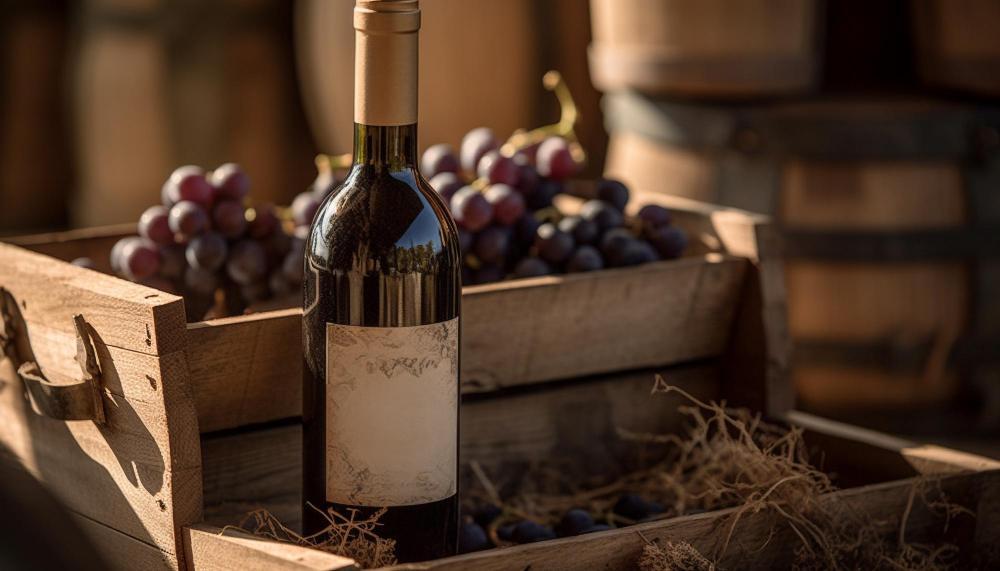
Investing in a vineyard can be costly and varies depending on the location and size of the project. The main expenses include:
In total, an initial investment in a vineyard can range from $500,000 to $1,000,000 for a moderately sized vineyard (10 hectares), taking into account all initial and setup costs.
When comparing wine to other assets, the main difference is that a bottle does not generate income: all profit depends on its appreciation in value, and along the way, you must pay for storage, insurance, and commissions. There is a long-term track record: according to Knight Frank’s luxury goods investment report, the Liv-ex 100 index rose 34.1% over the ten years through the end of 2025. But that trajectory has not been linear. In November 2025, the index recorded its first monthly increase since March 2024. In 2026, the market has stabilized, with a 0.4% increase in the first seven months and a 3.3% increase over twelve months.
There is no single ranking: the answer varies depending on your time horizon, the risk you can tolerate, and the liquidity you need. The most common lists typically include stocks and index funds, real estate (rentals, renovations, or crowdfunding), fixed income, deposits, and safe-haven assets such as gold. Alternatives, such as wine or art, usually appear at the end as a complement. That’s why it makes sense to consider wine as a small part of a diversified portfolio, alongside assets that do generate recurring income.

Just as a good bottle of wine improves with time, so do real estate investments. Have you ever wondered if there’s an easy way to get started with real estate investing? The answer is yes—we make it possible. With Domoblock, you can expand your investment portfolio and start growing your capital through the real estate market, thanks to this platform’s specialization in real estate crowdfunding. Why settle for just one option when you can diversify your portfolio and reap long-term benefits?
You’re probably wondering, “What is real estate tokenization?” Tokenization is a process that involves converting real estate assets into digital tokens. These tokens represent a fraction of ownership in the underlying asset and are backed by it. If you have questions or simply want to learn more, visit the Domoblock website.
In short, investing in wine undoubtedly offers the potential for significant returns, portfolio diversification, and the enjoyment of a tangible asset. However, it’s essential to always keep the associated risks in mind, particularly volatility and the need for specialized knowledge. In any case, the decision to invest in wine or not will ultimately depend entirely on your financial goals, risk tolerance, and passion for this industry.



5 Pedro María Ric
Funded
100%
€550,012.94
Target
€550,012.94