House flipping in Spain
House flipping projects without buying or managing anything.
No buying, no renovating, no selling.

.jpg)
.jpg)

.jpg)
%20(1).jpg)


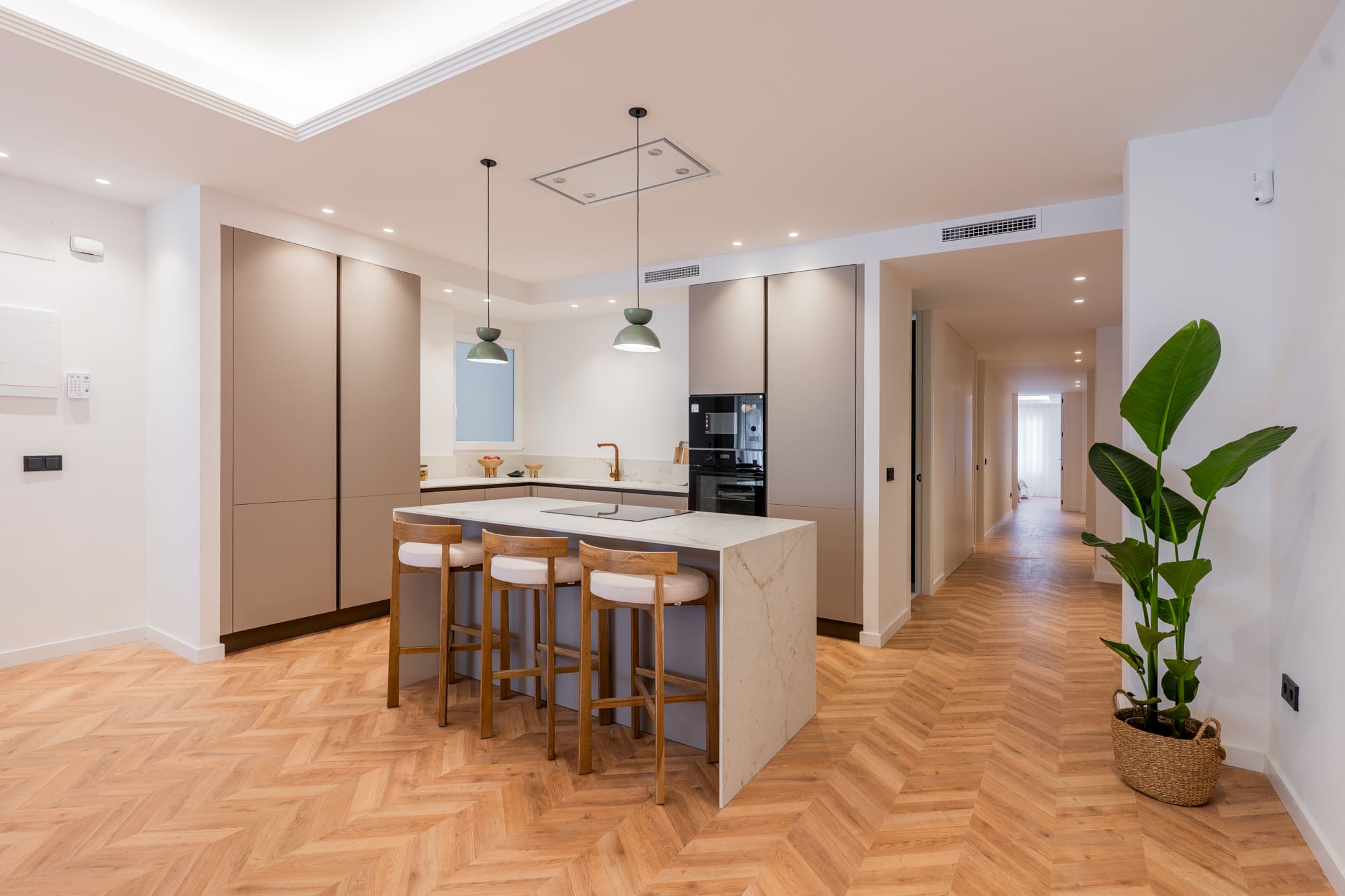
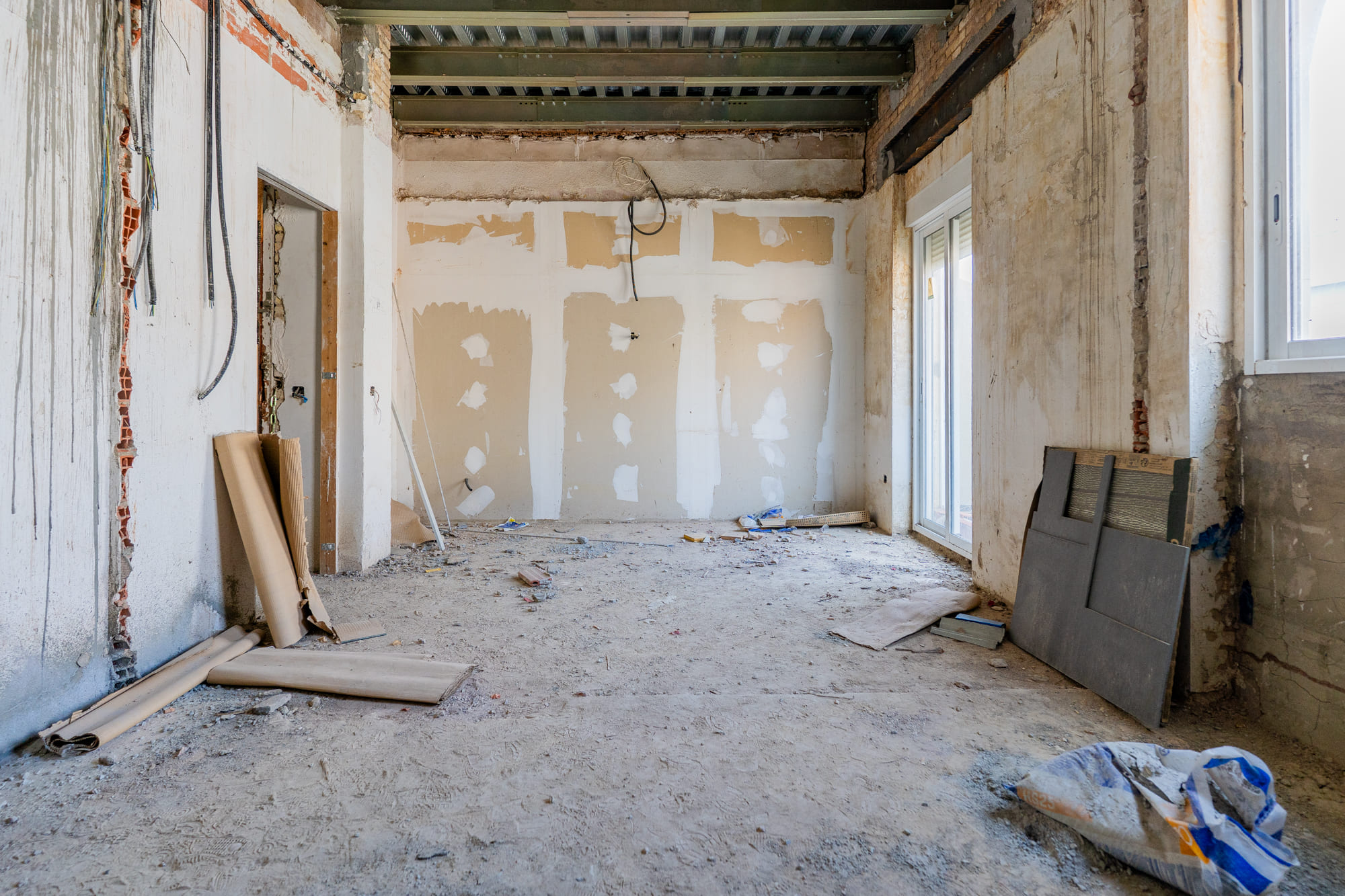
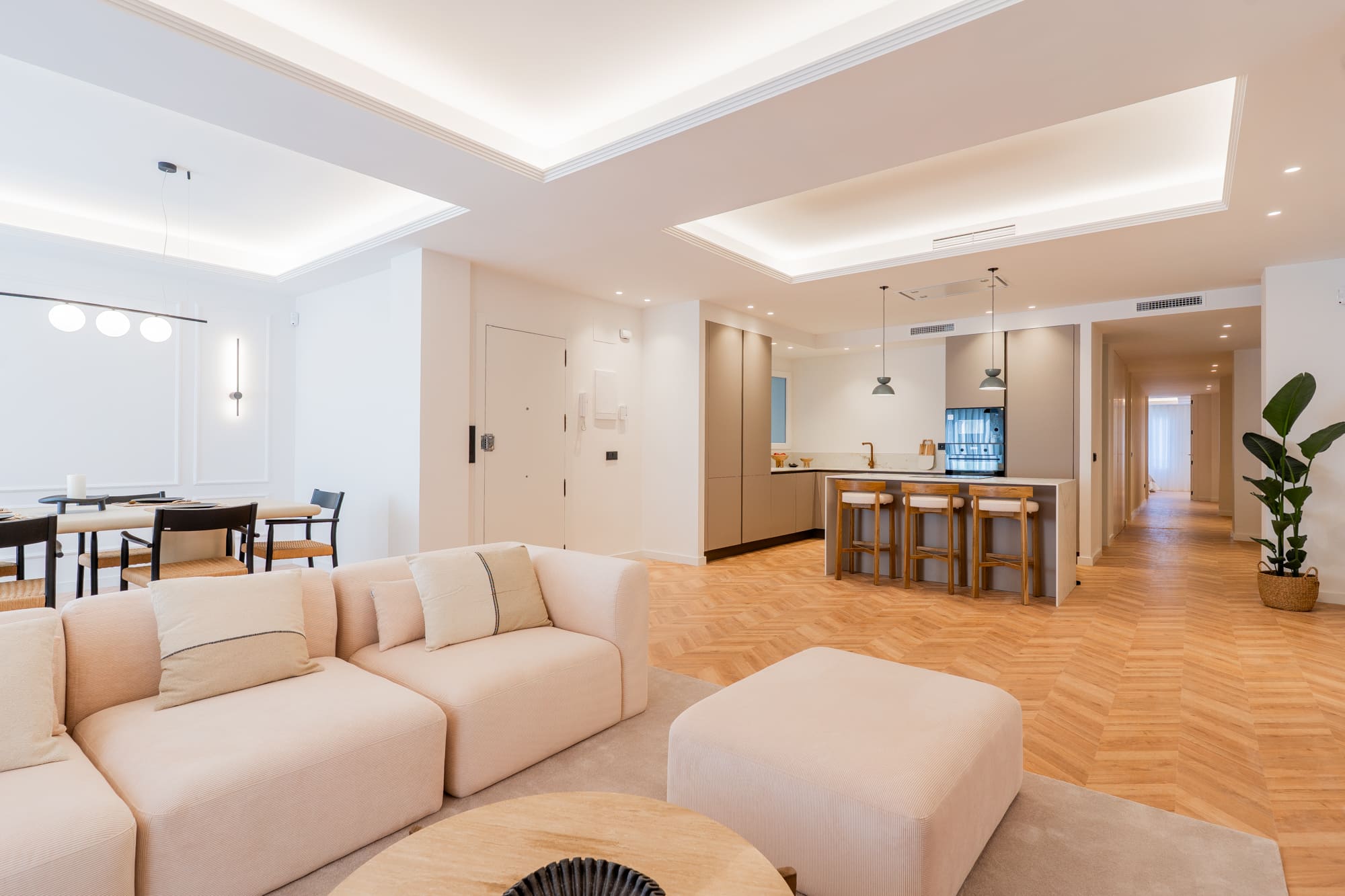
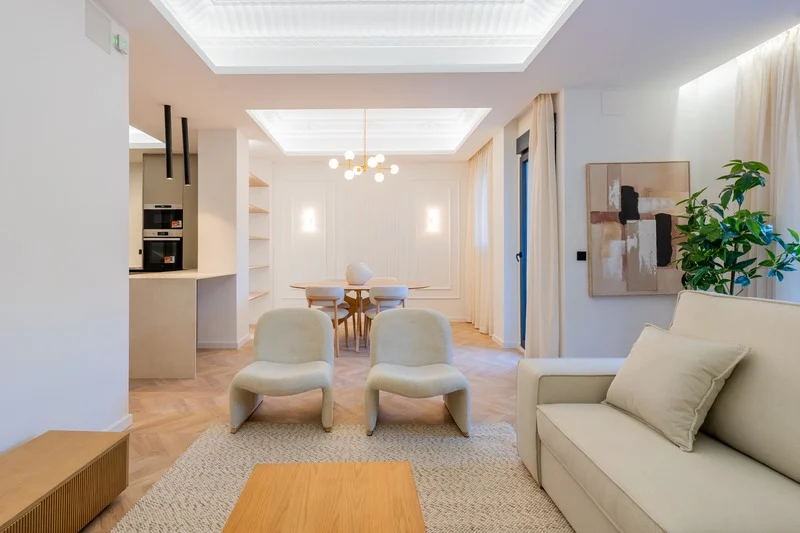
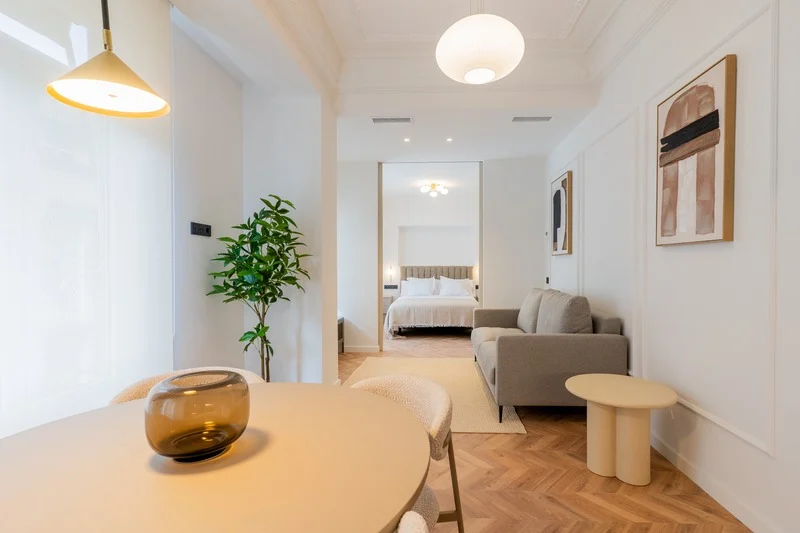
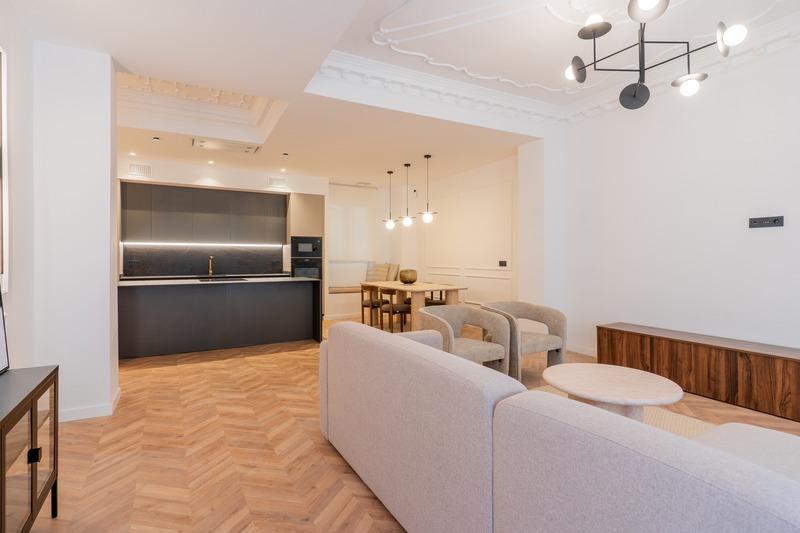
House flipping is a real estate investment strategy that consists of buying a home at a good price, usually one in need of renovation, refurbishing it to increase its value, and subsequently selling it to obtain a capital gain.
It is one of the best-known models in real estate due to its ability to generate profitability in relatively short timeframes compared to traditional strategies like renting. At Domoblock, we apply this strategy to selected opportunities, optimizing the purchase, renovation, and sale to maximize the asset's potential.
The profitability of house flipping depends mainly on: the purchase price of the property, the actual cost of the renovation, the location, market demand, the final sale price, and the execution time.
At Domoblock, house flipping projects have historically achieved returns of over 15% per year, with estimated timeframes of 8 to 12 months (depending on the project). For each opportunity, we publish the key data (strategy, timelines, estimated profitability) so that you can invest with transparency.
House flipping can be profitable, but it is not without risks, such as: renovations that become more expensive due to unforeseen events, delays due to permits or construction timelines, changes in real estate demand, increased costs (materials, labor, financing), and the difficulty of selling within the expected timeframe or at the target price.
That is why it is essential that the investment is well-managed, with prior margin analysis and professional control of construction and the market. At Domoblock, part of the risk is reduced through opportunity analysis, selection criteria, and professional management of the process.
Yes, but only if the project is backed by a professional team. Doing house flipping individually requires knowledge of: real estate analysis, negotiation, renovations and construction costs, licenses and permits, and marketing and sales.
With Domoblock, the investor can participate in projects that are managed professionally and with clear information, without the need to be an expert or dedicate time to operations.
Profitability depends on variables such as: purchase demand in the area, average price per m², the margin between purchase and sale, buyer profile, and market turnover.
In general, the best opportunities are usually found in cities with high demand, good market liquidity, and areas with potential for appreciation.
At Domoblock, the team analyzes more than 100 properties per week to detect opportunities with good margins and competitive locations.
At Domoblock, house flipping is presented as an accessible and professionalized real estate investment.
Our team identifies properties with potential, negotiates the purchase, plans and executes the renovation based on profitability and market demand criteria, and manages the final sale. Investors can participate in the project with accessible amounts, without having to handle paperwork, banks, renovations, permits, or marketing. In this way, the investor benefits from the strategy without assuming the operational burden.
A house flipping project usually has a relatively short cycle compared to other real estate models.
In most cases, the duration is influenced by: the renovation time, the necessary permits, and the market speed for selling.
At Domoblock, projects typically have an execution period of 8 to 12 months, although each opportunity may vary depending on the asset and the market.
It is not necessarily "better," but it is a different strategy with different objectives.
Rental investments seek recurring profitability (monthly income) and long-term appreciation.
House flipping seeks profitability through capital gains over a shorter term, by purchasing, renovating, and selling.
At Domoblock, we use house flipping as a rapid turnover strategy focused on optimized profitability and defined timelines, ideal for investors looking for more agile investment cycles.
House flipping: typically focuses on individual properties (apartments/houses), with renovations aimed at increasing value for a quick sale.
Flipping building: covers larger operations such as converting commercial spaces, entire buildings, semi-finished projects, or selling by units.
Both models seek capital gains, but they differ in scale, complexity, and, in some cases, timelines.
The process is very simple:
1. Register on the platform and complete the verification process
2. Access the available opportunities
3. Select a house flipping project and invest with accessible amounts
4. Track your progress from your dashboard
5. Once the project is complete, receive your return and reinvest