

In an economic context where retirement doesn't always guarantee the desired financial solvency and many families' main asset is tied up in their home, the reverse mortgage emerges as a solution
an innovative financial solution. This instrument allows elderly homeowners to unlock the accumulated value in their property without having to vacate it, thereby improving their quality of life in their later years.

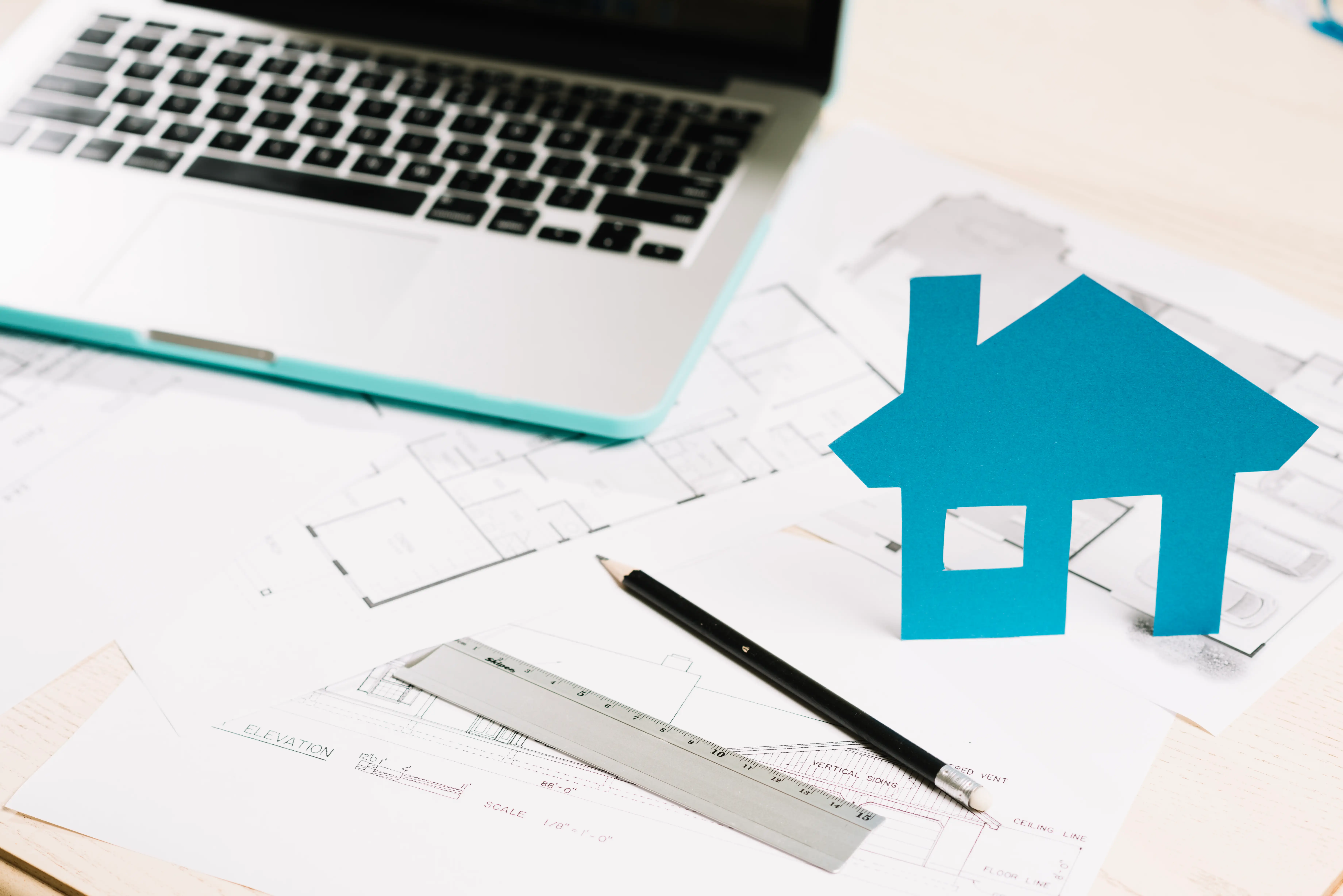
A reverse mortgage is a financial-real estate product aimed at elderly individuals, typically aged 65 or 70 and older, who own their home. Through a contract, the homeowner transfers the bare ownership deed of their property to a specialized company or entity (the investor), in exchange for a sum of money, which can be a lump sum payment or a lifetime annuity. The fundamental characteristic defining it is that the seller (usufructuary) retains the right to use and enjoy the home for life, being able to continue living in it without paying rent.
The reverse mortgage prioritizes the well-being and stability of the senior homeowner, allowing them to transform an illiquid asset (their home) into immediate liquidity, while maintaining their right to reside in the home intact.
Homeowners gain access to a significant sum of money without having to move. They can continue living in their familiar surroundings, with their memories and their community.
The capital obtained can be used to cover daily expenses, improve nutrition, pay for medical or dependency treatments not covered by social security, travel, or simply enjoy a more comfortable and secure old age.
The contract guarantees the right to use the home until the death of the last titleholder (or, in some cases, their spouse).
For those whose pension is insufficient, the lifetime annuity or capital from the reverse mortgage becomes a perfect supplement.
Depending on the entity and the agreement, the homeowner can choose how to receive the money: a lump sum payment, a lifetime monthly annuity, or a combination of both.
The original owner transfers legal ownership of the property (the bare ownership deed) to the investor, but retains lifetime usufruct. This means the company becomes the owner, but cannot exercise that right until the usufructuary passes away.
This is the core of the agreement. The seller retains the right to use, enjoy, and inhabit the home as if it were their own, with the obligation to maintain it in good condition and pay ordinary expenses.
The transaction price is established after a comprehensive property valuation conducted by an independent appraiser. The purchase price typically ranges between 35% and 60% of the market value, as the investor assumes the risk of the usufructuary's longevity.
Once the contract is signed, it is irrevocable. The owner cannot reverse the decision and reclaim full ownership, as the company has disbursed the capital.
The reverse home equity process begins with an application and study by a specialized company, which analyzes your situation (age, property condition, etc.) to verify that you meet the requirements. Then, an official appraiser values the home to determine its current market value. The company makes a formal offer, which is usually a percentage of the appraised value, and the payment method is detailed.
Independent legal advice is essential and, in many cases, mandatory. An independent lawyer explains all clauses, legal consequences, and effects of the contract to the owner.
If the owner accepts the offer and advice, the public deed is signed before a notary. In this act, the transfer of bare ownership and the reservation of lifetime usufruct are formalized. The deed is registered, and finally, the owner receives the agreed-upon money and retains the right to live in the home for life, assuming maintenance and ordinary expenses.
The most common requirements are to be between 65 and 75 years old, own the home, have the property free of encumbrances, fully paid off, without mortgages, liens, or other debts, and for it to be in good condition.
This is the ideal profile: people who are "house rich but cash poor" and need to supplement their monthly income.
Those who value above all else continuing to live in their current home and not depending on family members or care facilities.
If children have their own lives settled and do not depend on inheriting the family home, this option becomes more viable.
When high expenses for health, dependency, or home adaptation are anticipated.
It allows you to obtain liquidity without selling the bare ownership. It is reversible, and heirs can settle the debt and keep the house. However, interest is cumulative.
If the owner is willing to move to a smaller home or live with family, they can rent out their apartment to generate income. It is not lifelong and involves leaving the home.
Similar to a reverse mortgage, but in this case, the entire property is sold to an entity (usually an insurance company) which, in return, commits to paying a lifelong monthly annuity to the seller, who also retains the right of usufruct.
Investigate whether there are aid programs for seniors or dependents from autonomous communities or local councils that could alleviate the need for liquidity.
It is governed by the Spanish Civil Code, particularly by the rules relating to buying and selling, bare ownership, and usufruct. There is no specific law for this product, so legal certainty lies in the correct drafting of the contract and its subsequent registration in the Property Registry.
No, it is an irrevocable contract. Once the public deed is signed and payment is received, the operation cannot be undone. The company has purchased a right that will only materialize in the future, so it is not obligated to "resell" it.
Yes, by transferring bare ownership, the property ceases to be part of the parent's estate. When the parent passes away, the investing company becomes the full owner, and the heirs will not receive the home. What they do inherit is any remaining money that has not been spent by the parent.
The market is developing. Some of the best-known companies include Vern Properties, Aun Más Vida, Jubenial, Senior Expert, and Vitalia Home. Some financial institutions and investment funds have also started operating in this sector.
The seller or usufructuary typically pays Personal Income Tax (IRPF) on the income received. The capital gains generated by the sale of bare ownership may be exempt if the owner is over 65 years old, and they must pay for the maintenance costs of the home.
The buyer or investor bears the transaction costs such as stamp duty, municipal capital gains tax, and notary and registry fees. This is usually negotiated in the contract.
Domoblock is the Platform real estate investment with projects in flipping house and flipping building, with extensive experience in real estate tokenization and real estate crowdfunding. Thanks to these real estate properties you can grow your savings and secure your financial future.
Currently we have real estate investment projects in key Spanish cities:
Take a look and discover where to invest safely and profitably.
A reverse mortgage is a powerful tool for addressing the financial challenges of retirement, offering a way to monetize many families' primary asset without sacrificing the comfort and security of their home.
It is ideal for seniors who prioritize their current quality of life and independence, and who do not have an urgent need to bequeath their home to their descendants. Before taking the plunge, it's crucial to compare it with other alternatives, but if it's the right solution, a reverse mortgage can be the key to a dignified, peaceful, and financially secure old age.


.png)

41 Av. del Oeste
Funded
-
-
Target
€763,249.36


.png)
.png)
.png)
.png)



.avif)
.avif)
.avif)


