

Granada es una de las ciudades con mayor encanto y personalidad de España, un destino atractivo para establecer la vida.

Granada es la capital de la provincia homónima, en el corazón de Andalucía, al sureste de la Península Ibérica. Un valle rodeado por montañas, con Sierra Nevada al este y la fértil vega granadina extendiéndose hacia el oeste. A apenas 45 minutos en coche se encuentra la Costa Tropical, ofreciendo playa y montaña en un radio reducido. Su conexión por autovía con Málaga y su aeropuerto internacional la sitúan en un nudo de comunicaciones clave.
La provincia de Granada está compuesta por 168 municipios, con diversidad geográfica y cultural, ofreciendo innumerables opciones para vivir más allá de la capital.
El icono indiscutible es la Alhambra y el Generalife, Patrimonio de la Humanidad y conjunto palaciego nazarí que domina la ciudad. Le sigue el Barrio del Albaicín, laberinto de callejuelas empedradas y cármenes (casas con jardín) frente a la Alhambra, también Patrimonio de la Humanidad. El Sacromonte es famoso por sus cuevas y espectáculos de flamenco; la Catedral y Capilla Real; y el Mirador de San Nicolás, con la vista más famosa de la Alhambra al atardecer.
Te puede interesar: mejores ciudades para invertir en España
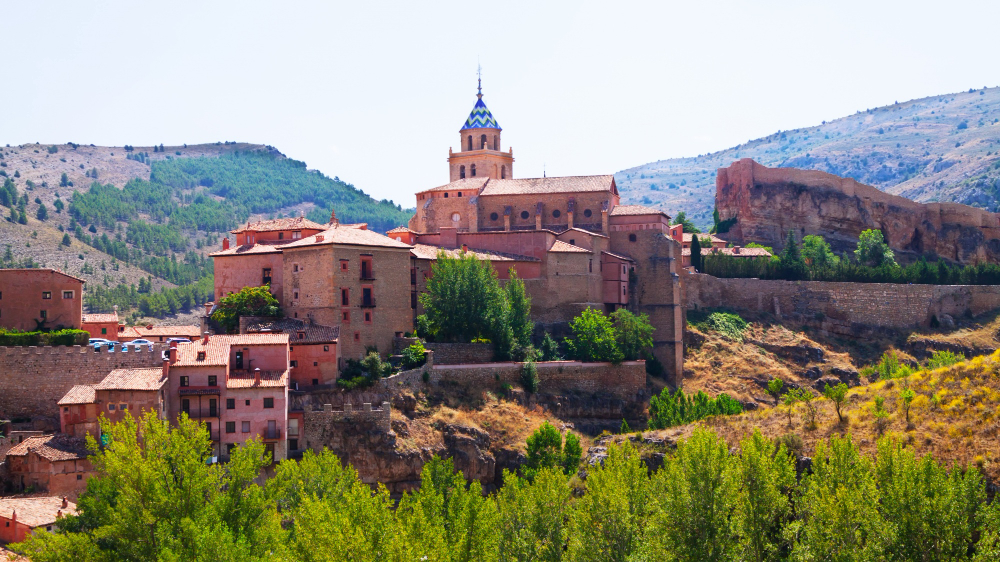
Con una tendencia de moderado crecimiento, el precio medio de la vivienda en venta se sitúa alrededor de los 2.100 €/m². Puede variar desde los 3.000-4.000 €/m² en áreas premium, hasta los 1.400-1.700 €/m² en distritos residenciales más alejados.
En el mercado de alquiler, la demanda universitaria y turística han incrementado los precios. El alquiler medio para un piso de 2-3 habitaciones en zonas céntricas oscila entre 650 y 900 €/mes.
Destacan las propiedades para rehabilitación en el Albaicín y Centro Histórico para crear hogares únicos o alojamientos turísticos de calidad.
En la periferia y pueblos de la Vega la demanda de casas con jardín o pequeñas parcelas ha crecido post-pandemia, con precios más contenidos que en la ciudad.
Áreas como la Ronda Sur o el Polígono de Cartuja concentran nueva construcción con mejores estándares de eficiencia energética, atrayendo a jóvenes profesionales y familias.
Además, la adquisición de un carmen (vivienda típica con huerto-jardín) es la inversión más exclusiva y simbólica, con una revalorización asegurada.
Te puede interesar: invertir en apartamentos turísticos
La zona comercial alrededor de la Catedral y el barrio del Realejo. Ideal para quienes quieren estar en el bullicio, con todo a pie, atractivo para solteros, parejas jóvenes y amantes de la cultura. El inconveniente principal es el ruido, dificultad para aparcar, falta de ascensor y de zonas verdes.
Vistas espectaculares y un ambiente bohemio y tranquilo. Perfecto para artistas, académicos o quienes buscan desconexión y autenticidad. Las calles son empinadas, el tráfico es restringido.
Ambiente estudiantil, una vibrante vida nocturna y comercial. Abundan los pisos de alquiler y los servicios económicos. Puede ser ruidosa durante el curso académico.
Barrios tradicionales y muy arraigados, de carácter popular y familiar. Ofrecen todos los servicios necesarios a precios más asequibles y buena conexión en transporte.
Zonas de expansión y nueva construcción. Atraen a familias jóvenes y profesionales por la oferta de viviendas modernas. Más dependientes del coche, pero bien comunicadas por la Ronda. Armilla ofrece precios ligeramente inferiores.

Andalucía cuenta con el sistema público de salud (SAS), una red de centros de salud, hospitales de referencia como el Hospital Universitario Virgen de las Nieves y una amplia oferta de medicina privada.
Destaca la Universidad de Granada (UGR), una de las más prestigiosas de España. En enseñanza primaria y secundaria, hay una mezcla de colegios públicos, concertados y privados.
Más allá de los monumentos, el calendario está repleto: Festival Internacional de Música y Danza, Granada Noir (literatura), Festival de Jazz, el propio Corpus Christi y las fiestas populares de cada barrio. La vida nocturna es legendaria, con bares de tapas, tablaos de flamenco en cuevas y ambientes para todos los gustos.
El transporte público urbano (autobuses) es extenso pero puede ser lento en horas punta. La ciudad es ideal para caminar o usar la bicicleta. El coche es casi imprescindible para vivir en la periferia. La conexión por tren de alta velocidad (AVE) la comunica con Madrid en menos de 3 horas, y con otras ciudades andaluzas. El aeropuerto tiene vuelos nacionales y a algunas capitales europeas.
Comparativa del coste de vida con otras zonas de España
Sí, es una de las capitales de provincia más baratas de España. El coste de vida en Granada está entre un 15% y 25% por debajo del de Madrid o Barcelona.
El precio de un alquiler de piso de 2 habitaciones va de 700-850 euros en el centro, y 550-700 en la periferia. Para gastos comunidad más suministros se calculan 150-250 euros. En alimentación y supermercado, 200-300 euros/persona, 35 euros en transporte más gastos extra en ocio y restauración.
No vengas solo en primavera. Experimenta el calor s y el frío para saber a lo que te enfrentas.
Humedades, problemas de estructura, ruidos y la ausencia de ascensor son comunes. Contrata un informe técnico.
Aunque la fibra óptica está muy extendida, en algunas calles del Albaicín o Sacromonte la instalación puede ser complicada o inexistente.
Localidades como Cájar, Ogíjares, Armilla o Maracena ofrecen mayor tranquilidad, espacios verdes y precios más bajos, con proximidad a la ciudad.
Granada tiene una idiosincrasia fuerte. Paciencia y apertura de mente son clave.
Sí, es ideal para quienes priorizan la cultura, naturaleza y ambiente sobre una amplia oferta laboral en sectores de alta tecnología o finanzas.
Para 2026, el precio medio del alquiler de un piso de dos habitaciones se sitúa en torno a los 700-750 €/mes.
Para ambiente: Centro/Realejo. Para autenticidad y vistas: Albaicín. Para familias: Zaidín, Ronda Sur o municipios de la Vega. Para estudiantes: Zona Universitaria.
Alto nivel de vida en términos de acceso a cultura, ocio, gastronomía y entorno natural. El nivel adquisitivo medio es modesto, con coste acorde.
Granada gana en autenticidad, vida cultural, ambiente universitario y proximidad montaña-esquí. Málaga gana en oferta laboral diversa, conexiones internacionales, clima más suave y vida costera.
Es una ciudad asequible. Una persona puede vivir con unos 1.000-1.300 €/mes (incluyendo alquiler módico), y una pareja con unos 1.800-2.200 €/mes.
Domoblock combina tecnología y bienes raíces para ofrecer una experiencia de inversión inmobiliaria más eficiente y accesible. A través de la tokenización de inmuebles y el crowdfunding inmobiliario, puedes participar en activos reales sin asumir la complejidad de la gestión tradicional.
La plataforma opera sobre blockchain, lo que garantiza procesos seguros, transparentes y verificables. Sus proyectos están diseñados para ofrecer retornos superiores al 10 %, con estimaciones de recuperación de capital entre 8 y 12 meses.
En Domoblock actualmente no contamos con proyectos de inversión en Granada, pero sí ofrecemos oportunidades inmobiliarias en otras ciudades clave de España:
Take a look and discover where to invest safely and profitably.
¡Domoblock es la opción pensada para inversores que buscan rentabilidad, control y confianza en un entorno 100 % digital!
Granada sigue siendo un remanso de autenticidad donde el ritmo de vida invita a la calma y al disfrute. Su mercado inmobiliario aún permite encontrar oportunidades, una apuesta segura por una vida con autenticidad y cultura.


.png)

95 Valencia Avenue
Funded
52%
979.479,55 €
Objective
2.346.286,73 €


.png)
.png)
.png)
.png)



.png)
.png)


