
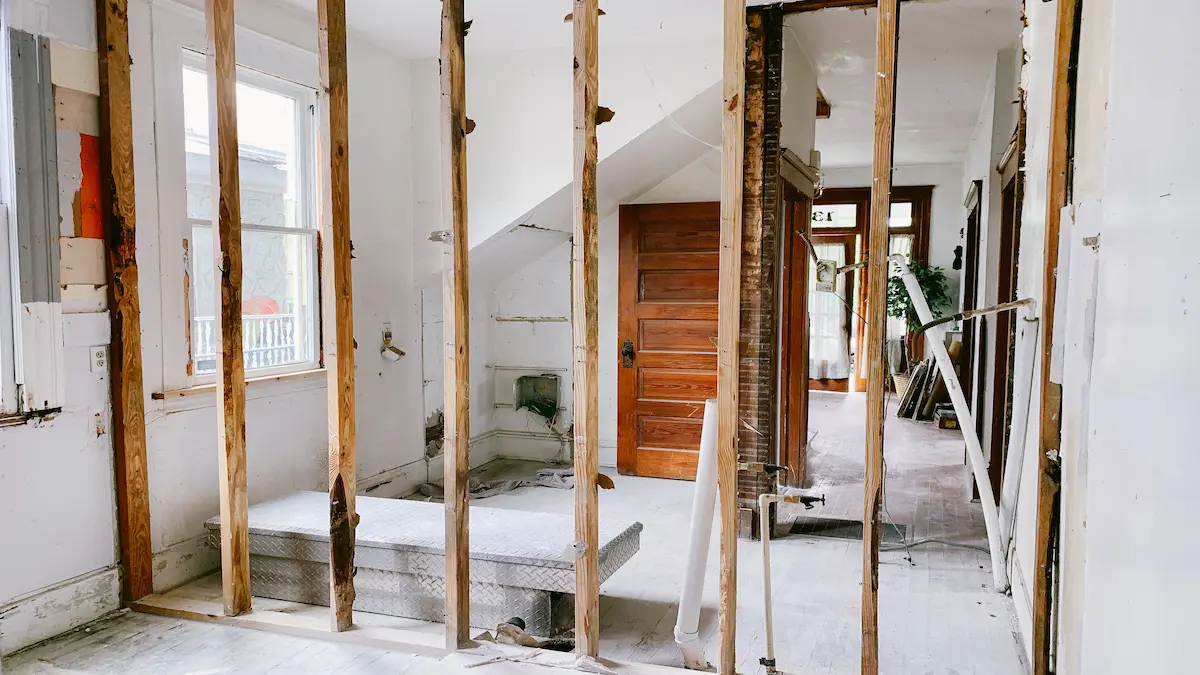
For most homeowners, a comprehensive renovation is one of the most important decisions they’ll make regarding their home. It’s not just about replacing a few tiles or painting the walls; it’s about completely rethinking the layout, systems, and finishes of a space to adapt it to the actual needs of those who will live there. The process can seem overwhelming if you’ve never tackled it before: you have to coordinate professionals, obtain permits, choose materials, and manage a budget that—if not planned carefully—can spiral out of control.

A comprehensive renovation is a project that affects the entire home, addressing both its spatial layout and its basic systems—plumbing, electrical, HVAC, and, in many cases, the entire interior layout. Unlike a partial renovation, which is limited to a specific room such as the kitchen or bathroom, a comprehensive renovation starts from the foundation of the home—often leaving it practically in its raw state—to rebuild it from the ground up according to a new design. This allows for correcting errors in the original design, adapting the home to new lifestyles, and updating systems that, in older homes, no longer comply with current regulations or meet modern energy efficiency standards.
A comprehensive renovation typically includes the demolition of non-structural walls, the complete overhaul of the plumbing, electrical, and—if applicable—gas systems, the installation or upgrade of HVAC systems, the replacement of flooring, wall coverings, and interior and exterior trim, and the application of new finishes to walls, ceilings, and bathrooms. It may also involve replacing windows to improve thermal and acoustic insulation, as well as incorporating smart home or energy-efficiency solutions. In short, any element of the home can fall within the scope of the project, which clearly distinguishes it from more limited renovations.
Renovation is a broader concept that is typically applied to buildings or homes with significant deterioration—often of a structural nature—and may include work on common elements such as facades, roofs, or foundations. In many cases, rehabilitation also aims to improve the accessibility or energy efficiency of the building as a whole, which is why it is typically subject to specific regulations and financial assistance programs distinct from those governing a comprehensive renovation of a private home.
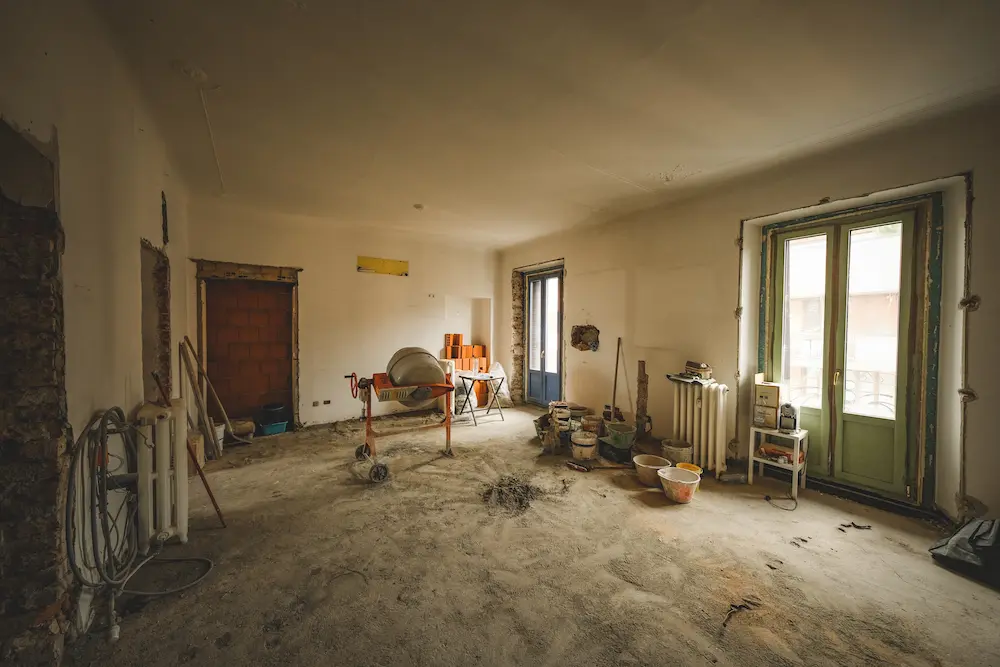
Not all homes need a comprehensive renovation, and it isn’t always the most cost-effective option. However, there are certain situations where this type of project offers clear benefits over more limited solutions.
Many homes, especially those built several decades ago, have layouts that are not very functional for today’s lifestyles: enclosed kitchens isolated from the living room, hallways that take up valuable floor space, or poorly proportioned rooms. A comprehensive renovation allows you to completely rethink that layout, opening up spaces, reorganizing rooms, and increasing natural light and the sense of spaciousness without needing to expand the built-up area.
A home’s thermal and acoustic comfort depends largely on its systems and building envelope. Replacing old windows, improving the insulation of interior walls, or upgrading the HVAC system are improvements that only make sense as part of a comprehensive project, since they affect the entire home and cannot be undertaken in isolation without creating imbalances.
Older homes typically consume significantly more energy than modern buildings. A comprehensive renovation is the ideal opportunity to install thermal insulation, replace inefficient heating systems with more sustainable ones, and improve the building’s thermal envelope. These improvements not only lower energy bills but also raise the home’s energy efficiency rating—a factor that is increasingly valued in the real estate market.
A well-planned comprehensive renovation can significantly increase a home’s market value, especially if it is located in an area with high demand. Updating systems, improving the layout, and renovating finishes are factors that buyers particularly value, and they can make the difference between a quick sale at a good price and a home that takes months to find a buyer.
Before starting any construction work, it’s a good idea to spend time on the planning phase. It’s during this stage that you can avoid most of the problems that later complicate the project.
Before speaking with any professionals, it’s advisable to be clear about what you expect from the renovation: how many rooms you need, what kind of kitchen you want, whether you’re looking for more natural light, and whether you need space to work from home. The more specific your priorities are, the easier it will be for the final project to meet your expectations, and the fewer last-minute changes you’ll have to make during construction.
The budget should cover not only materials and labor but also professional fees, permit fees, and a contingency fund for unforeseen expenses. Setting a budget without this safety margin is one of the most common reasons renovations are left unfinished or lead to financial strain during construction.
The choice of professionals who will work on your home is crucial to the final result. An architect or architectural technician will manage the project and oversee construction when necessary; an interior designer can help you define the design and finishes; and the renovation company will be responsible for carrying out the work. It’s advisable to request several quotes, review references from previous projects, and verify that all professionals are properly licensed or registered as self-employed individuals or companies.
A comprehensive renovation usually requires you to move out of your home for much of the construction period, as the work involves dust, noise, and utility outages. It’s a good idea to plan in advance where you’ll live during this time and adjust the construction timeline to fit your personal situation, especially if you have children, pets, or need to maintain a certain work routine.
Any comprehensive renovation requires, at a minimum, notifying the relevant city hall of the project, and in many cases, applying for a specific permit before starting the work.
Minor renovations are those that do not affect the building’s structure or alter its architectural layout, such as changing finishes, replacing systems without modifying their main layout, or small bathroom or kitchen renovations. These are typically processed through a sworn statement and involve lower fees.
When a renovation affects structural elements, substantially alters the layout, or involves changes to the facade, it is considered major work and requires a technical plan signed by an architect, as well as the corresponding municipal permit before work can begin. Processing times are longer and fees are higher.
A sworn statement is a document through which the owner declares to the city council that the work complies with applicable regulations, without needing to wait for an explicit decision before beginning. It is commonly used for minor renovations, although each city council establishes its own criteria regarding which projects qualify for this process.
A technical project, signed by an architect or technical architect, is required when the renovation affects structural elements, when the interior layout is substantially modified, or when municipal regulations require it based on the scope of the work. This document details the planned work and serves as the basis both for processing the permit and for carrying out the work.
If you live in an apartment building, it is common for certain projects—such as replacing downspouts, modifying the facade, or work that may affect common areas—to require prior authorization from the homeowners’ association. Even if the work is carried out inside your home, it’s a good idea to inform the homeowners’ association before beginning—both as a courtesy and to avoid future conflicts.
Although every project has its own unique characteristics, most comprehensive renovations follow a very similar sequence of phases.
It all begins with taking measurements of the home, defining the layout and finishes, and preparing a detailed budget to serve as a reference throughout the project.
Once the project has been defined, the corresponding permits are filed with the city hall, either through a declaration of responsibility or a major construction permit, depending on the scope of the work.
The physical work begins with the demolition of partition walls, the removal of floors, tilework, and old woodwork, and the proper disposal of the resulting debris, which must be taken to an authorized waste management facility.
With the home now cleared out, new partition walls are erected according to the layout plan, and the necessary masonry work is carried out to shape the new spaces.
Before closing off walls and floors, the plumbing, electrical, and—if applicable—gas systems are installed or completely renovated, bringing them into compliance with current regulations and the requirements of the new project.
In this phase, heating, air conditioning, or mechanical ventilation systems are installed, along with any thermal and acoustic insulation specified in the project.
With the utility systems now in place, floor and wall coverings are installed, along with tile work in bathrooms and the kitchen, and surfaces are prepared for the final finishes.
Interior and exterior woodwork is installed, including doors, windows, and—if specified in the project—built-in cabinets or other custom woodwork.
It’s time to paint the walls and ceilings, install the kitchen and bathroom fixtures, and complete all the finishing touches that give the home its final look.
Finally, the home is thoroughly cleaned, a joint inspection is conducted with the client to identify any defects or outstanding details, and the completed project is formally handed over.
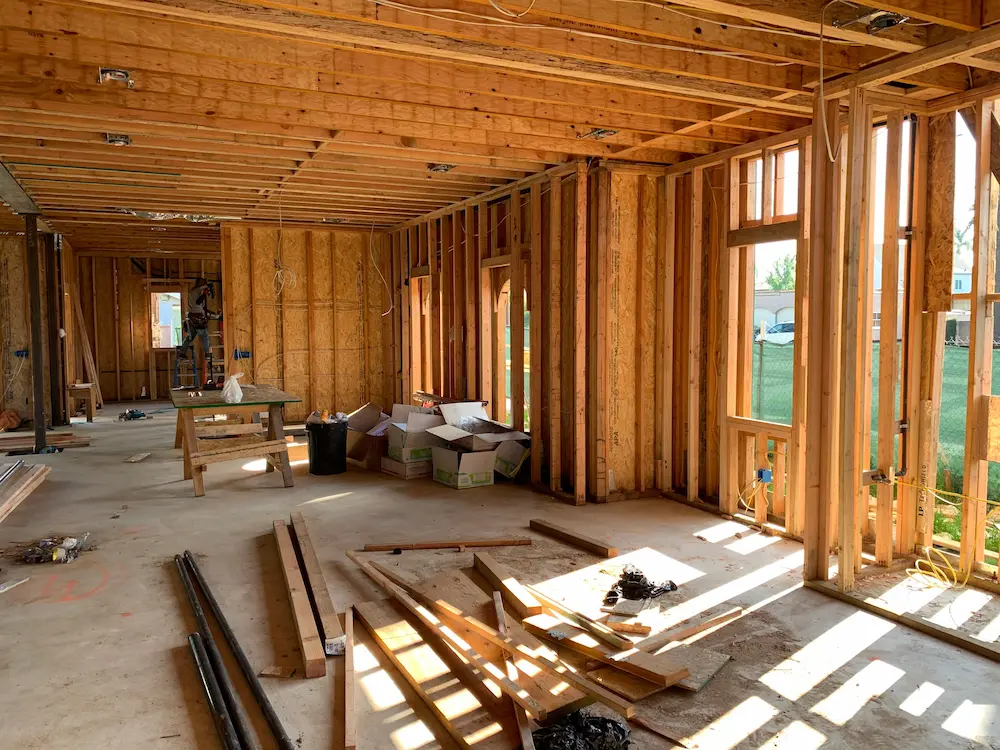
The choice of materials affects both the aesthetic result and the home’s durability and future maintenance, so it deserves special attention.
Higher-quality materials typically have a higher initial cost but offer a longer service life and better performance under daily use, which reduces the need for replacements or repairs in the medium term.
Some materials, such as certain types of natural stone or wood, require periodic maintenance to preserve their appearance and properties. Others, such as porcelain tile or high-end vinyl flooring, are much easier to maintain—a factor that’s especially important in family homes or high-traffic areas.
The most expensive material isn’t always the best fit for every project. It’s important to weigh the balance between price, performance, and aesthetics based on how each space will be used, prioritizing investment in high-traffic areas such as kitchens and bathrooms.
More and more homeowners are opting for materials with a lower environmental impact, whether due to their origin, manufacturing process, or recyclability at the end of their useful life. Certified wood, eco-friendly paints, and natural insulation are some of the options gaining traction in today’s comprehensive renovations.
Double- or triple-glazed windows, state-of-the-art thermal insulation, and energy-efficient HVAC systems are investments that, while increasing the initial budget, pay for themselves over time thanks to the energy savings they generate.
The cost of a comprehensive renovation varies greatly depending on the square footage, the home’s current condition, the quality of the materials chosen, and the geographic location; therefore, any figure should be considered a general guideline.
As a rough guide, a mid-range full renovation can range from 500 to 800 euros per square meter, while projects with high-end finishes or those involving major structural changes can exceed 1,000 euros per square meter. These figures are approximate, and it is always advisable to request customized quotes tailored to each home.
The initial condition of the fixtures and fittings, the need to modify structural elements, the quality of the selected materials, the complexity of the desired layout, and the property’s location are some of the factors that most significantly impact the final cost of the project.
When comparing quotes from different companies, it is essential that all of them list exactly the same items, materials, and specifications; otherwise, the comparison may be misleading. It’s also a good idea to set aside between 10% and 15% of the total budget for potential unforeseen expenses that often arise during the renovation.
A complete renovation of a medium-sized home usually takes between two and four months, although this timeframe can vary considerably depending on the complexity of the project and the availability of the professionals involved.
The most common delays are usually due to last-minute changes to the project, unforeseen problems discovered during demolition, delays in the delivery of materials or in the processing of permits, and a lack of coordination among the various trades involved in the project.
Being aware of the most common mistakes helps you avoid them and ensures that the renovation proceeds as smoothly as possible.
Starting the project without a defined plan and a fixed budget often leads to improvised decisions, cost overruns, and deadlines that drag on indefinitely.
The lowest quote isn’t always a guarantee of quality work. It’s important to also evaluate the company’s experience, references from other clients, and the terms of the contract before making a decision.
Modifying the project once construction has begun often leads to cost overruns and delays, since many subsequent decisions depend on work that has already been completed and would need to be undone or adapted.
Any renovation project can encounter surprises when knocking down walls or removing old fixtures. Not having a financial cushion for these situations is one of the most common reasons why a renovation project is left unfinished.
Beyond improving comfort and functionality, a comprehensive renovation has a direct impact on a home’s market value.
When a renovation is done to live in the home, the main goal is usually comfort and adapting the space to the family’s needs, although the increase in value it generates is also significant in terms of a future sale.
In the case of homes intended for sale or rent, a well-executed comprehensive renovation can significantly increase their profitability, allowing for a higher sale price or monthly rent compared to an unrenovated home in the same area.
Technically, it’s possible during some of the initial phases, but it’s not recommended for most of the project, since dust, noise, and utility outages make the home uninhabitable under normal conditions.
As a general rule, the standard VAT rate of 21% applies, although under certain conditions—for homes more than two years old and provided the cost of materials does not exceed certain limits relative to the total cost of the project—the reduced VAT rate of 10% may apply.
Not always. It depends on the scope of the renovation: if it involves minor work that does not affect structural elements, it may not be necessary; however, if the project involves major construction or alters the structure, regulations require a technical plan signed by an architect.
As a general rule, it is recommended to set aside between 10% and 15% of the total project budget to cover unforeseen expenses that may arise during construction.
A reputable company should provide a detailed contract outlining the work items and deadlines, a warranty covering the work performed, and—in the case of structural work—the corresponding ten-year insurance coverage.
While the goal of a comprehensive renovation is to increase a home’s value and improve its profitability, there are now other ways to tap into the real estate market’s potential. For those who don’t want to purchase an entire property or manage a renovation themselves, platforms like Domoblock offer a more accessible alternative.
With us, you can invest in real estate starting at just €200, participating in actual real estate projects located in strategic areas. The platform digitizes these assets using tokens so that investors can access their potential appreciation in a simple and fully online manner.
Furthermore, the entire process is backed by blockchain technology, which ensures transparency and traceability in all transactions. Before publishing each investment opportunity, a team of specialists analyzes the project’s potential, facilitating access to real estate investments without the traditional barriers of the industry.
A comprehensive renovation is a significant investment, both in terms of time and money, but it’s also one of the best ways to transform an old or impractical home into a space tailored to the real needs of its residents. Carefully planning each phase, enlisting the right professionals, properly securing permits, and setting aside a budget for unforeseen expenses are key to ensuring the process runs smoothly and the final result meets initial expectations. Whether to enjoy the home in the long term or as a strategy to increase its value for a future sale or rental, a well-executed comprehensive renovation always ends up being a decision that pays off.


.png)

41 Av. del Oeste
Funded
100%
763.249,36 €
Target
€763,249.36


.png)
.png)
.png)
.png)




.avif)
.avif)
.avif)


