

Are you thinking about moving to Spain before the end of 2026? Do you want to know which cities in Spain are the most expensive to live in? You’ve come to the right place! We know that paella and the Mediterranean are a magnet for anyone, but your wallet might feel differently.

The map of Spain’s most expensive cities to live in continues to shift. While in previous years Madrid and Barcelona topped nearly every ranking, today the answer to where it’s most expensive to live in Spain features a different frontrunner: San Sebastián, the most expensive city in Spain for buying a home, with prices per square meter now hovering around 6,400 euros—double the national average. Price increases have not slowed in 2026, and although the country’s most expensive cities have remained largely the same for years, the gap between them and the rest of Spain has widened. Madrid, among the cities with the most expensive housing in Spain, remains close to 6,000 euros per square meter, while Barcelona—one of the most expensive cities in Spain for both buying and renting—continues to set records in its rental market. Before reviewing the rest of the ranking, it’s important to have a clear picture of the current situation.
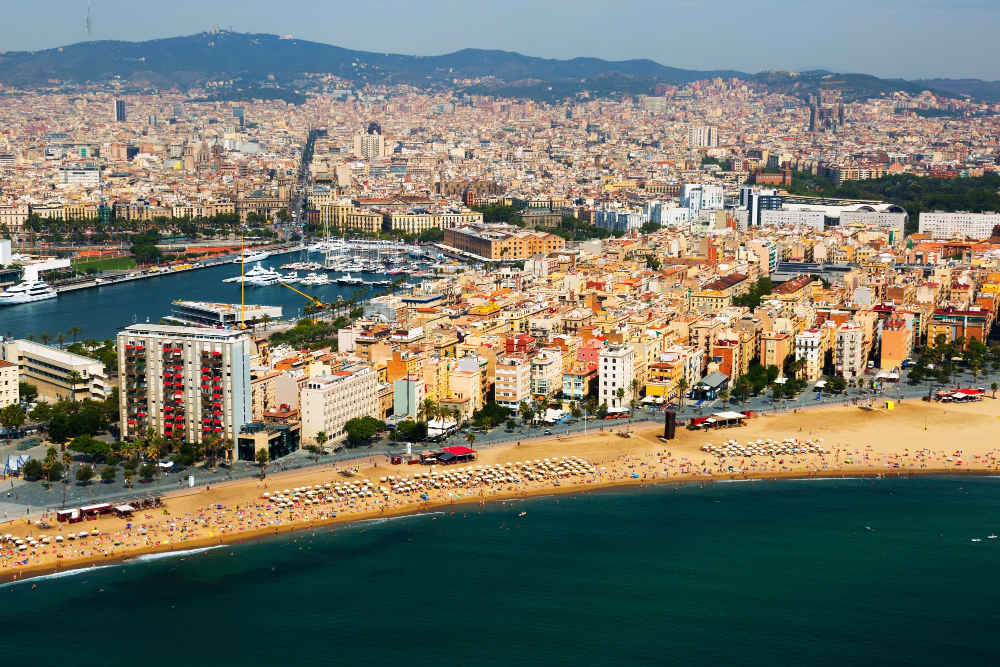
We’ve put together a luxury top 10 list just for you. In it, we’ll take you on a tour of the most exclusive cities in Spain. Join us to discover them!
Known as the jewel of the Mediterranean, Barcelona is brimming with cultural, architectural, culinary, and natural attractions. These are just a few of the reasons why this Catalan city is an expensive place to live, especially in neighborhoods like Sarrià-Sant Gervasi, Les Corts, and Eixample.
If there’s one thing that sets the Costa del Sol apart, it’s the sophisticated and cosmopolitan style of beautiful Marbella. The exclusivity and luxury characteristic of places like Sierra Blanca or Puerto Banús come with a high price tag.
The Spanish capital, with its impressive architecture and history, is expensive if you want to live there. Property prices and taxes are high, especially in Salamanca and Chamartín. On top of that, it offers a high standard of living with a variety of leisure options that drive up costs even further.
Who hasn’t heard of Ibiza’s famous nightlife? When you consider the idyllic beaches, the festive atmosphere, and the laid-back vibe, it’s not hard to imagine how much it costs to live on the island, especially in Ibiza Town or Sant Antoni.
On Spain’s east coast lies another of Spain’s top cities: Valencia. Neighborhoods like Ruzafa and El Ensanche are out of reach for most people. The high quality of life evident in every corner of the city is a testament to the prestige of the Levantine region.
Our list of the most expensive cities in Spain to live in wouldn’t be complete without the capital of the Balearic Islands. The crystal-clear waters and unbeatable Mediterranean climate attract many, but at what cost? Places like the Paseo Marítimo or the Old Town are accessible only to the wealthiest.
Did you know that Pamplona’s cost of living is 6.12% higher than the Spanish average? Yes, we know—it’s significantly high. But in return, the city offers a high standard of living, wrapped in a peaceful atmosphere and surrounded by history, nature, and festivals like San Fermín.
The cost of living in Bilbao is high, especially in Abando or the Ensanche. The capital of Vizcaya is a showcase for Spanish haute cuisine, which blends perfectly with avant-garde architecture and a cosmopolitan atmosphere.
The capital of Andalusia is home to a magical past reflected in the city’s imposing architecture. Be careful not to get too captivated by the beauty of the Old Town or Triana! In these dreamlike neighborhoods, the cost of living is high.
San Sebastián is a beautiful city on the coast of the Basque Country with exquisite cuisine and an unbeatable quality of life. Keep in mind that it’s expensive to live there, especially in the city center and Gros. However, many believe that its beauty, culture, and cuisine make it worth the cost.
Outside the traditional top 10, there are trends worth following closely. If you’re wondering how much it costs to live in Palma de Mallorca, the answer is that it remains among the most expensive cities in the country, with prices exceeding 5,000 euros per square meter in areas like the Paseo Marítimo. Housing prices in Bilbao are also among the highest in Spain, driven by a booming market that’s already nearing 3,600 euros per square meter. If the question is what the cost of living in Valencia will be in 2025, the city on the Levantine coast is no longer an affordable option, with notable price increases in Ruzafa and the Ensanche. Seville remains one of the most expensive cities in Andalusia, although its average housing price still falls below that of the major capitals. Further south, housing prices in Las Palmas de Gran Canaria reached record highs in 2026, now approaching the national average. At the opposite end of the spectrum is Girona, one of the most expensive cities in Catalonia, but with falling rental prices following the implementation of the Housing Law in high-demand areas. If you’re looking for alternatives, there are still smaller, more affordable cities where the cost of living is much more manageable.

Why do the most exclusive cities in Spain cost what they do? Let’s look at some key reasons.
The cost of buying or renting a home is the most important factor. High demand, a central or exclusive location, limited supply, speculation, and foreign investors tend to drive up prices.
Fares for public transportation (passes, tickets) and private transportation (fuel, tolls, insurance, taxes) tend to be higher in exclusive areas.
Areas with a variety of cultural, dining, and entertainment options typically have higher prices. These factors influence the costs of restaurants, bars, shows, and so on.
The cost of living in Spain’s most expensive cities is largely due to local taxes. Property tax (IBI), vehicle tax, and other local taxes vary and are much higher in exclusive metropolitan areas.
Cities with a high standard of living boast good public services, international connections, and other luxuries. As a result, they tend to have a higher cost of living.
Beyond the list of cities, it’s worth asking what factors make a city expensive. The cost of living does not depend solely on housing prices: the ratio of income to expenses for each person, the cost of essential services and local taxes, and the actual cost of living in Spain per square meter account for significant differences between cities. Added to this is the tourist appeal—beaches, culture, and urban life—which goes hand in hand with an element of luxury and exclusivity in destinations like San Sebastián, Ibiza, or Marbella, where the beaches and high-end restaurants drive up the average spending of any resident. Given this reality, here are some tips to help you avoid financial stress when planning a move: not all expensive cities offer the best conditions for every budget, so it’s wise to look beyond housing costs before making a decision.
Property tax (IBI), garbage collection fees, and other municipal taxes vary greatly from one city to another. As a general rule, major capitals and coastal municipalities with higher assessed property values—Madrid, Barcelona, San Sebastián, or Marbella—charge the highest rates.
Madrid and Barcelona also top this list, with the most expensive monthly passes in the country, followed closely by Bilbao and San Sebastián.
Tourist cities and islands tend to fare worse: the Balearic and Canary Islands have some of the highest prices for food and utilities, while San Sebastián and Barcelona lead the way in day-to-day living costs on the mainland. A good tip when moving is to always factor in these recurring expenses when comparing cities, because they often weigh just as heavily as rent or a mortgage.

According to recent data, Barcelona is the most expensive city for renting a home. The average cost is €23.5/m², surpassing Madrid (€21.2/m²). Keep in mind that prices vary depending on the property’s amenities and location.
Spain is a country of contrasts, as evidenced by the diversity of its cities. Join us as we explore some cities that stand out for offering a good balance between cost of living and salary.
You might be interested in: the best neighborhoods to live in Alicante.
Take a close look at everything! You should consider factors such as housing costs, transportation, and other expenses in each city. Don’t forget about job opportunities in your field of interest.

The most expensive cities in Spain to live in offer interesting job opportunities. Sectors such as technology and digital, healthcare and biotechnology, professional and business services, renewable energy, tourism, and hospitality offer the best job opportunities.
It’s difficult to pinpoint a single option or a “best” city that meets this criterion. However, in contrast to the major cities, places like Toledo, Mérida, Seville, Alicante, and Vitoria-Gasteiz are often considered by those seeking a balance between a decent salary and a good quality of life.
Tourism has a direct impact on rising prices in Spain’s most expensive cities to live in. Evidence of this includes high housing costs, coupled with high utility rates and the cost of leisure activities. This constant rise can lead residents to move elsewhere in search of a more affordable standard of living.
Both direct and indirect taxes are factors that drive up the cost of living in the cities we’ve discussed. Among the most influential are the following:
In addition to other fees collected by local municipalities. These include: fees for garbage collection, sewer service, water, and others.
Today, investing in the real estate market has become easier and more affordable than ever. With Domoblock, you can participate in select real estate projects without needing large sums of money or going through cumbersome procedures.
Starting at just €200, gain access to high-yield opportunities with estimated returns exceeding 10% over an 8- to 12-month period. Blockchain technology ensures security and transparency in every transaction, eliminating intermediaries and instilling confidence in investors.
Don’t miss the opportunity to grow your wealth! Additionally, Domoblock’s professionals carefully select properties in markets with high appreciation potential, ensuring a diversified and profitable investment portfolio.
Start building your future financial stability today. Contact our experts today! Join Domoblock and explore an innovative approach to real estate investment: reliable, flexible, and accessible to everyone.
Domoblock also offers various real estate investment projects in Madrid, Alicante, Zaragoza, and Valencia. Check them out!


.png)

41 Av. del Oeste
Funded
100%
763.249,36 €
Target
€763,249.36


.png)
.png)
.png)
.png)



.avif)
.avif)
.avif)


