
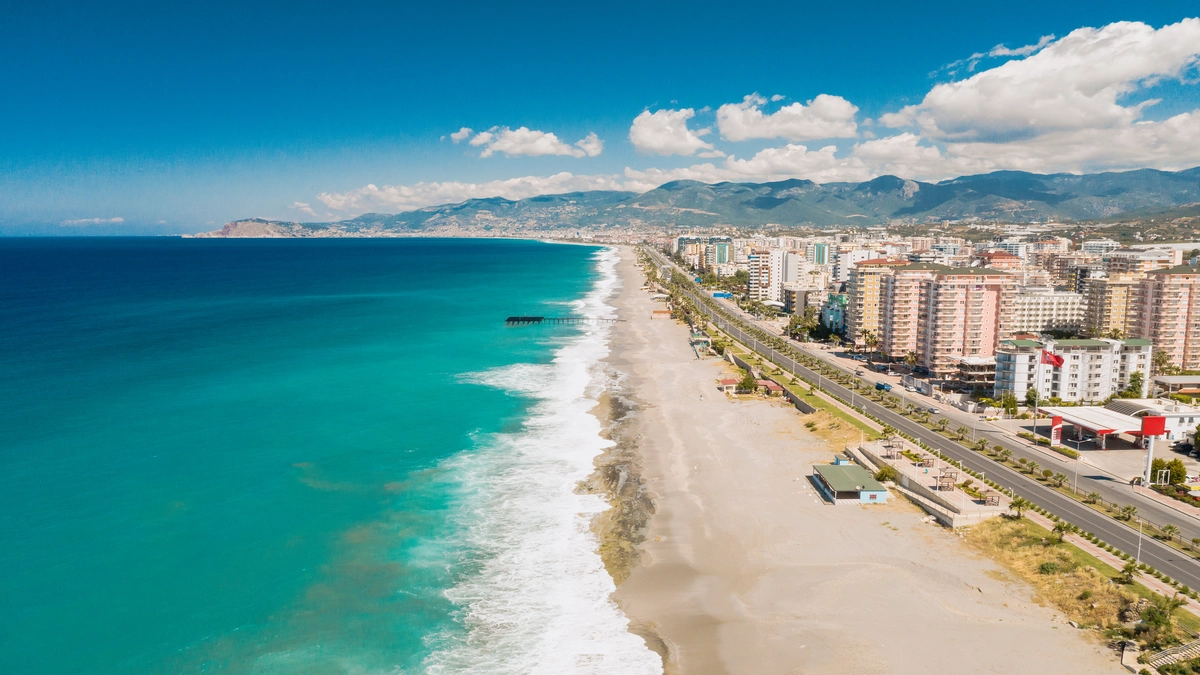
Currently, Malaga is attracting national and international investment like never before. In this article, you will discover why this area offers exceptional opportunities for real estate investors in 2026.


Highlights include Malaga TechPark (formerly PTA), which employs nearly 28,000 people. The arrival of technology centers from giants like Google, Vodafone, and Capgemini, along with strategic semiconductor projects, attracts a constant flow of qualified talent and professionals with high purchasing power.
Malaga is ranked as the top city in Europe and third globally for executives and digital nomads. Its privileged climate, cultural offerings, and reasonable cost of living make it a desirable place to live, boosting long-term rentals.
The abolition of the Wealth Tax was recently announced to attract investors, especially foreign ones. This favorable environment positions it with a competitive advantage within Europe.
You might be interested in: Costa del Sol real estate investment.
Malaga is among Spain's fastest-growing real estate markets, showing dynamism comparable only to Alicante and the Balearic Islands. Demand outstrips supply in many segments, leading to significant revaluations.
Residential rentals attract professionals linked to the tech sector, digital nomads, and foreign families. Traditional rentals cater to conventional tourism, alongside 'work and leisure' travelers. Seasonal rentals are particularly appealing in winter for Northern Europeans and in summer for domestic tourists.
The main investors are British, French, German, and Swiss, followed by growing interest from Latin Americans, especially Argentinians. Many invest remotely, relying on local administrators.
It offers stability and lower operational management. It's driven by the influx of professionals with indefinite or remote employment contracts. Gross profitability typically ranges between 4% and 5.5% annually, depending on the area and property condition.
It can generate higher gross income, but with higher management costs. It's ideal for properties in the historic center. Returns can climb up to 7% or more, but management expenses must be deducted. It requires a specific municipal license, and some homeowner associations restrict it.
Buying new homes attracts investors looking for lower initial renovation costs and greater energy efficiency. They are typically located in developments in expanding areas, offering a modern product highly sought after by today's tenant or buyer profile.
You might be interested in: investing in tourist apartments.
The heart of the city is unbeatable for tourist rentals and for professionals who want to live in the cultural epicenter. Demand is constant and high.
Exclusive areas with a high quality of life by the sea. They combine proximity to the center with residential tranquility. Here, investment is aimed at a high-net-worth segment, both for luxury vacation rentals and permanent residency.
Soho is an artistic and vibrant neighborhood, attractive for investments in gastronomic commercial premises. Pacífico stands out for its modernity, sea views, and connections. It attracts families and professionals, offering great appreciation potential.

Expected returns vary depending on the type of investment. As a reference, long-term residential rentals have an annual gross return between 4% and 5.5%, while vacation rentals can have a gross return ranging from 5% to 7%.
Capital gains (appreciation) in high-demand areas can be a very significant component of the total return.
This is the base cost. In Málaga city, prices range from 1-bedroom apartments for €120,000-€140,000 in established areas, to luxury properties exceeding €4,000/m² on the beachfront.
These add between 11% and 14% to the purchase price. The ITP (for resale properties) is 10% of the sale value, and VAT (for new builds) is 10%. Notary and registration fees range from €1,200 - €1,600 for a €100,000 property. Real estate agency commission is 2% to 5% (plus VAT).
These can range from a basic refresh for €3,000 to full renovations. It's a crucial factor for maximizing rental or resale value.
A property management company typically charges between 10% and 30% of the monthly rent, but handles all administrative tasks.
The main tax is the 10% ITP for second-hand properties or 10% VAT for new builds. Subsequently, as an owner, you must annually pay the Property Tax (IBI) and refuse collection fees.
Holiday rentals require a specific license from Málaga City Council, and it must be verified that the homeowners' association permits it. Rental income must be declared in the Personal Income Tax (IRPF) or the Non-Resident Income Tax (IRNR).
The NIE (Foreigner Identification Number) is essential for any transaction. A Spanish bank account is necessary for the purchase and to manage the property's income and expenses. Spanish banks require proof of the lawful origin of funds to accept significant transfers. And it is advisable to have a local representative or manager if you do not reside in Spain.
Before searching, decide if your goal is constant monthly income (residential rental), maximum profitability with more management (vacation rental), or medium-term appreciation (new builds or renovations). This will determine the area and type of property.
Visiting the city, walking through neighborhoods, and seeing properties will give you a real perception of the area, the quality of the buildings, and the atmosphere that photos don't convey.
Hire independent real estate advisory services with in-depth market knowledge, a specialized lawyer to review contracts, licenses, and tax aspects, and a trusted administrative manager or rental management company.
Yes. The market is growing with very solid and diversified demand and a favorable economic and technological context.
Historic Center and Soho for tourist/short-term rentals; La Malagueta and El Limonar for the premium segment; Pacífico for new builds and appreciation with quality of life.
Considering a property priced at €120,000, you should have approximately €132,000-€136,000 available to cover the purchase price plus taxes and buying costs (an extra 11-14%), in addition to any initial renovation expenses.
It can be very profitable in gross terms (up to 7% or more), but its profitability largely depends on efficient and professional management that controls operating costs and maximizes occupancy.
In the current context of Malaga, the buy-to-let strategy is very strong, given the shortage of rental supply and high demand. However, in areas undergoing clear revaluation, buying to renovate and sell (flipping) can also be very lucrative, although it carries more risk.
Malaga ranks among the top European cities for quality of life thanks to its climate, cultural offerings, gastronomy, safety, international connectivity (airport, high-speed train), and still affordable cost of living compared to other major European cities.
The traditional model of real estate investment has changed. With Domoblock, you can access tokenized real estate assets from as little as €200, without complications and with full control over your investment.
Blockchain technology and real estate tokenization ensure clear, secure, and traceable processes, allowing you to invest with confidence in house flipping and flipping building previously analyzed. Additionally, the available opportunities offer returns exceeding 10% and the possibility of recovering your capital within an 8 to 12-month period.
In Domoblock currently we do not have investment projects in Malaga, but we do offer real estate opportunities in other key Spanish cities:
Domoblock combines innovation, profitability, and accessibility so you can invest smartly and seamlessly.
Investing in Malaga in 2026 offers the opportunity to participate in a diversified and growing economy. Success will depend on a strategic choice of location and a realistic calculation of the numbers, making it a destination to enjoy and to build a future legacy.


.png)

41 Av. del Oeste
Funded
-
-
Target
€763,249.36


.png)
.png)
.png)
.png)



.avif)
.avif)


