

Menorca beckons with the promise of a healthy, tranquil lifestyle deeply connected to nature. This article delves into all aspects of life on the island and its real estate investment opportunities.


Menorca is the easternmost and northernmost of the Balearic Islands, located in the Mediterranean Sea. Declared a Biosphere Reserve in 1993, nearly 40% of its territory is protected, ensuring the preservation of its stunning landscapes. It boasts over 200 km of coastline with more than 100 beaches and coves of crystal-clear waters, green fields, and a network of trails that traverse its perimeter. This translates into strict urban planning regulations, limiting overcrowding and promoting sustainability.

Public, semi-private (subsidized), and private schools. Compulsory education is free in public schools. Baccalaureate (high school diploma) and vocational training are available. There are no international schools in the usual sense; in Mahón (the capital), there is more variety, with schools offering bilingual programs and some with English language reinforcement.
It has a public hospital in Mahón and several health centers distributed across the island. There are also private clinics in Mahón and Ciutadella offering services in several languages. EU residents can access healthcare with the European Health Insurance Card; non-EU residents require private health insurance.
Menorca has the lowest crime rate in the Balearic Islands. It is a safe environment for families, single individuals, and seniors.
The economy is distinctly seasonal and heavily reliant on tourism, hospitality, trade, and crafts. Unemployment can rise up to 35% in some sectors during winter. It is advisable to have remote employment or a stable business project. Entrepreneurship often focuses on sustainable businesses, quality tourism, catering, and organic farming.
In winter, local social life, markets, social gatherings, and personal hobbies are enhanced. The cultural offerings are well-developed, with theater (Mahón's, the oldest in Spain), libraries, exhibition halls, and local festivals. In nature, hiking, cycling, sailing, and the contemplation of pristine landscapes.
You may also be interested in: investing in tourist apartments.
A relaxed pace of life, low stress levels and high personal satisfaction, daily access to beaches, coves, and hiking trails in a preserved environment.
Safety with the lowest crime rate in the Balearic Islands, a welcoming community that facilitates integration, over 300 days of sunshine per year, and mild winters (rarely dropping below 10°C).
It can be difficult to find stable employment outside the tourism sector during the low season, and connectivity and transport are limited.
High tourist demand drives up prices and reduces the availability of annual rentals. Leisure and cultural offerings are limited, and there is relative geographical isolation.
The capital offers the greatest urban dynamism, all services, and a more active cultural life. It is a safe investment area with good demand for both holiday and annual rentals.
It has all services. It stands out for its monumental historical charm, its port, and lively festivities. It attracts a profile that values tradition and architectural beauty. Prices are high but stable.
Famous for its bay, maritime atmosphere, and gastronomy. Ideal for finding a second home or a primary residence in a peaceful retreat setting. Investments are linked to quality tourism and nautical activities.
Towns like Alaior, Es Mercadal, or Ferreries offer authenticity, tranquility, and slightly more accessible prices. Perfect for families seeking a safe, community-oriented environment with easy access to the entire island. A good option for a permanent residence.
Areas like Son Bou or Binibèquer have a clear tourist vocation, large beaches, and residential complexes. Investment is highly geared towards high-yield holiday rentals during the summer season, but less attractive for off-season living.
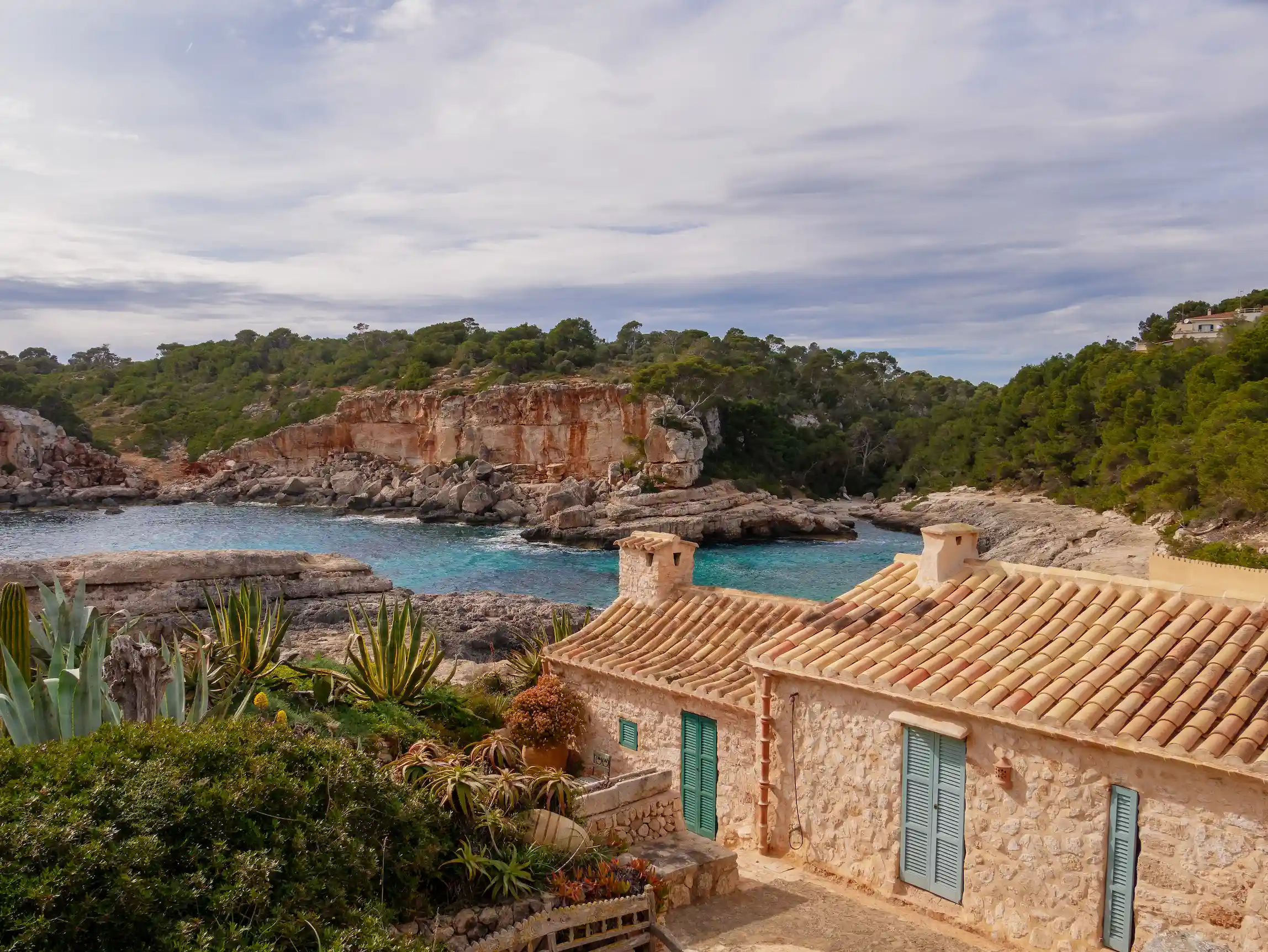
It is the most significant expense. During high season, tourist demand reduces the supply of annual rentals and drives up prices. A 1-bedroom apartment in Mahón can be found from €650/month, but prices can rise substantially in premium locations or during summer.
In areas like Ciutadella, the average price is around €3,305/m². Generally, the island has high prices but they are lower than those in Ibiza or more exclusive areas of Mallorca.
The most expensive areas are the historic and coastal centers of Ciutadella and Mahón, and exclusive beachfront developments}, while the most affordable are inland towns like Es Mercadal, Ferreries, or Alaior.
Including rent, food, transport, utilities, and basic leisure, monthly expenses can range from €1,100 to €1,400.
You might be interested in: affordable coastal towns to live in Spain.
EU citizens need to obtain the Certificate of Registration after three months of residency.
Non-EU citizens generally require a residency visa before entering Spain, and private health insurance is mandatory.
The foreign community makes up around 15% of the population and is growing. There are associations and language exchange groups in Mahón and Ciutadella that facilitate integration. Menorcans are welcoming, but learning a few words of Menorcan Catalan opens many doors.
Daily life primarily takes place in Castilian Spanish and Menorcan Catalan. In the tourism sector and among the international community, English, French, and German are spoken.
For families who prioritize safety, nature, and a healthy environment for children; remote workers or digital nomads who value quality of life and tranquility for work; retirees seeking a mild climate, peace, and a relaxed pace of life; entrepreneurs in sustainable sectors; and nature lovers.
Visit between November and March to experience the real pace, the range of services, and the winter climate.
Given the seasonal nature of employment, it's crucial to have remote work, sufficient savings, or a viable business project.
Start your search early, consider inland areas if your budget is tight, be flexible, and seek advice from a trusted local real estate agency.
If you need a wide and constant offering of cultural events, shopping, trendy restaurants, or nightlife, Menorca might feel limited.
Yes, due to its quality of life, safety, nature, and tranquil pace.
Yes, the cost of living is high, due to housing and some imported products. It is generally more affordable than Ibiza and premium areas of Mallorca.
The combination of being an island, a Biosphere Reserve, and a quality tourist destination creates high demand with controlled supply.
It depends on the area. In general, Menorca can be more affordable than the most touristy and cosmopolitan areas of Mallorca, but it may have similar or even higher prices than inland or northern areas of Mallorca. The daily cost of living is comparable.
The real estate investment is evolving, and Domoblock is leading that change. Its model of real estate tokenization allows you to invest in properties from €200, making opportunities previously reserved for a few accessible to more people.
Thanks to blockchain technology and real estate crowdfunding, every investment is transparent, secure, and fully controllable. In addition, projects offer returns exceeding 10% and estimated capital return periods of 8 to 12 months.
At Domoblock currently we do not have investment projects in Menorca, but we do offer real estate opportunities in other key Spanish cities:
Domoblock not only invites you to invest, but to build a solid foundation for your financial freedom starting today!
Menorca is not a destination for everyone, but it is ideal for those who value tranquility, security, and nature. Living in Menorca is an investment, beyond real estate, in well-being and a lifestyle.


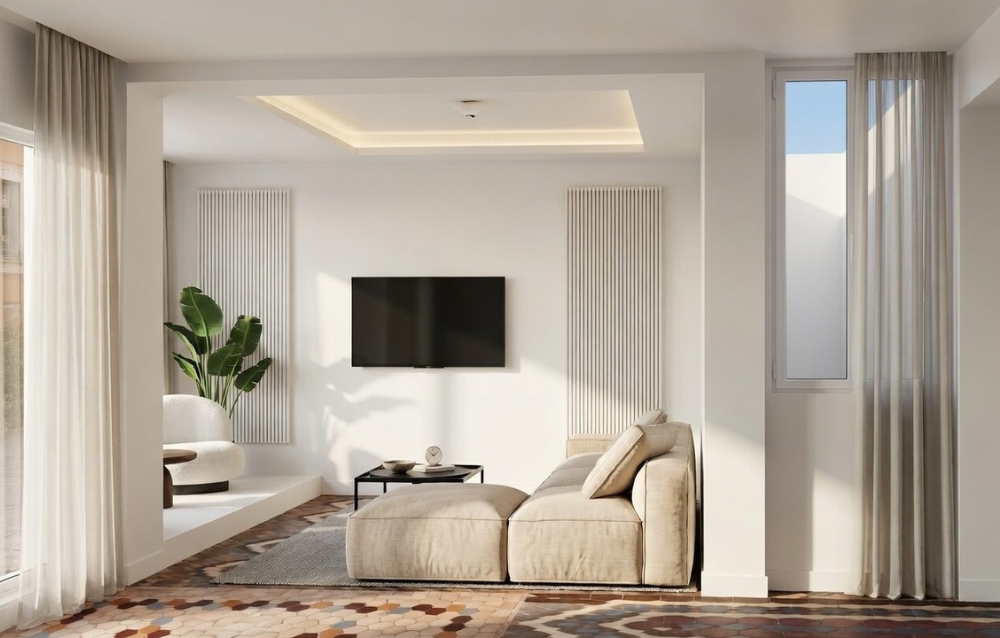

Convento San Francesc, 5
Funded
100%
€676,972.00
Target
€676,972.00


.png)
.png)
.png)
.png)



.png)
.png)


