

Granada is one of Spain's most charming and distinctive cities, an attractive destination to settle down.

Granada is the capital of the eponymous province, located in the heart of Andalusia, in the southeast of the Iberian Peninsula. It's a valley surrounded by mountains, with Sierra Nevada to the east and the fertile Granada plain stretching to the west. The Costa Tropical is just a 45-minute drive away, offering both beach and mountain within a small radius. Its highway connection to Malaga and its international airport position it as a key communication hub.
The province of Granada comprises 168 municipalities, boasting geographical and cultural diversity, and offering countless living options beyond the capital.
The undisputed icon is the Alhambra and Generalife, a UNESCO World Heritage site and Nasrid palace complex that dominates the city. Next is the Albaicín neighborhood, a labyrinth of cobbled streets and "cármenes" (houses with gardens) facing the Alhambra, also a World Heritage site. Sacromonte is famous for its caves and flamenco shows; the Cathedral and Royal Chapel; and the Mirador de San Nicolás, offering the most famous view of the Alhambra at sunset.
You might be interested in: best cities to invest in Spain
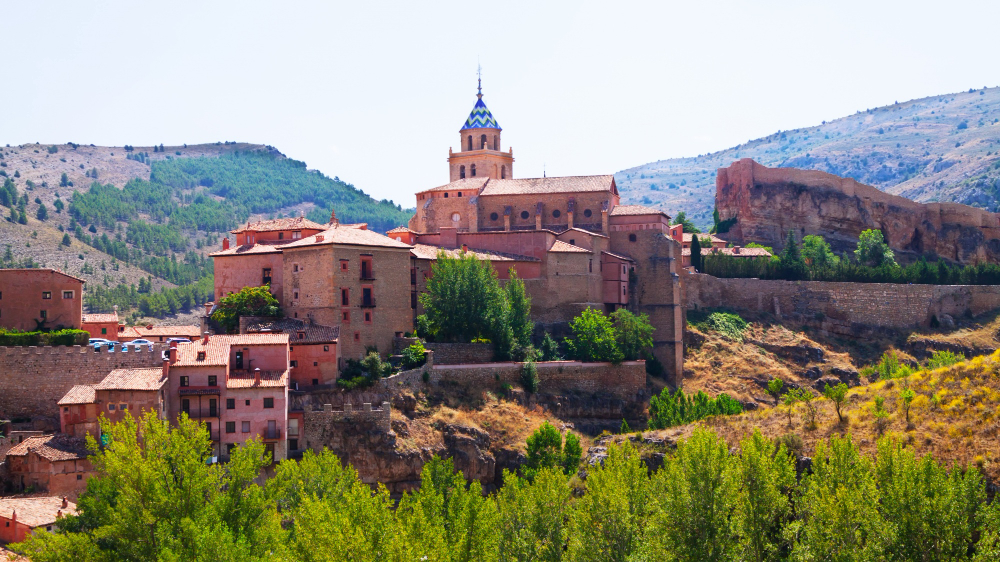
With a trend of moderate growth, the average price for homes for sale is around €2,100/m². This can range from €3,000-€4,000/m² in premium areas to €1,400-€1,700/m² in more distant residential districts.
In the rental market, university and tourist demand have driven up prices. The average rent for a 2-3 bedroom apartment in central areas ranges from €650 to €900/month.
Properties for renovation in the Albaicín and Historic Center stand out as opportunities to create unique homes or quality tourist accommodations.
In the outskirts and villages of the Vega, demand for houses with gardens or small plots has grown post-pandemic, with more affordable prices than in the city.
Areas like Ronda Sur or Polígono de Cartuja feature new constructions with better energy efficiency standards, attracting young professionals and families.
Furthermore, acquiring a "carmen" (a typical house with an orchard-garden) is the most exclusive and symbolic investment, guaranteeing appreciation.
You might also be interested in: investing in vacation rentals
The commercial area around the Cathedral and the Realejo district. Ideal for those who want to be in the thick of things, with everything within walking distance, appealing to singles, young couples, and culture enthusiasts. The main disadvantages are noise, difficulty finding parking, lack of elevators, and green spaces.
Spectacular views and a bohemian, tranquil atmosphere. Perfect for artists, academics, or those looking to disconnect and experience authenticity. The streets are steep, and traffic is restricted.
A student atmosphere, vibrant nightlife, and commercial scene. Rental apartments and affordable services are plentiful. It can be noisy during the academic year.
Traditional, well-established neighborhoods with a popular, family-friendly character. They offer all necessary services at more affordable prices and good public transport connections.
Areas of expansion and new construction. They attract young families and professionals with their modern housing options. More car-dependent, but well-connected by the Ronda (ring road). Armilla offers slightly lower prices.

Andalusia has a public healthcare system (SAS), a network of health centers, reference hospitals like Hospital Universitario Virgen de las Nieves, and a wide range of private medical options.
Notably, the University of Granada (UGR) is one of Spain's most prestigious. For primary and secondary education, there is a mix of public, state-subsidized, and private schools.
Beyond the monuments, the city's calendar is packed: the International Festival of Music and Dance, Granada Noir (literature), the Jazz Festival, Corpus Christi itself, and the popular festivals in each neighborhood. The nightlife is legendary, with tapas bars, tablaos flamenco shows in caves, and venues for all tastes.
The urban public transport (buses) network is extensive but can be slow during peak hours. The city is ideal for walking or cycling. A car is almost essential for living on the outskirts. The high-speed train (AVE) connects it to Madrid in under 3 hours, and to other Andalusian cities. The airport offers national flights and connections to some European capitals.
Cost of Living Comparison with Other Areas of Spain
Yes, it is one of the cheapest provincial capitals in Spain. The cost of living in Granada is between 15% and 25% lower than in Madrid or Barcelona.
The rent for a 2-bedroom apartment ranges from 700-850 euros in the city center, and 550-700 in the outskirts. Community fees plus utilities are estimated at 150-250 euros. For food and groceries, 200-300 euros/person, 35 euros for transport, plus extra expenses for leisure and dining out.
Don't limit your visit to spring. Experience both the heat and the cold to understand what to expect.
Dampness, structural issues, noise, and lack of an elevator are common. Commission a technical report.
Although fiber optic is widely available, installation can be complicated or non-existent in some streets of Albaicín or Sacromonte.
Towns such as Cájar, Ogíjares, Armilla, or Maracena offer more tranquility, green spaces, and lower prices, while still being close to the city.
Granada has a strong character. Patience and open-mindedness are key.
Yes, it's ideal for those who prioritize culture, nature, and atmosphere over extensive job opportunities in high-tech or finance sectors.
As of 2026, the average rental price for a two-bedroom apartment is around 700-750 €/month.
For atmosphere: Centro/Realejo. For authenticity and views: Albaicín. For families: Zaidín, Ronda Sur, or municipalities in La Vega. For students: University Area.
High quality of life in terms of access to culture, leisure, gastronomy, and natural surroundings. The average purchasing power is modest, with a corresponding cost of living.
Granada wins on authenticity, cultural life, university atmosphere, and proximity to mountains/skiing. Malaga wins on diverse job opportunities, international connections, a milder climate, and coastal life.
It's an affordable city. A single person can live on around €1,000-€1,300/month (including modest rent), and a couple on around €1,800-€2,200/month.
Domoblock combines technology and real estate to offer a real estate investment experience that is more efficient and accessible. Through real estate tokenization and real estate crowdfunding, you can participate in real assets without taking on the complexity of traditional management.
The platform operates on blockchain, ensuring secure, transparent, and verifiable processes. Its projects are designed to offer returns exceeding 10%, with capital recovery estimated between 8 and 12 months.
At Domoblock , we currently do not have investment projects in Granada, but we do offer real estate opportunities in other key Spanish cities:
Take a look and discover where to invest safely and profitably.
Domoblock is the ideal choice for investors seeking profitability, control, and trust in a 100% digital environment!
Granada remains a haven of authenticity where the pace of life encourages calm and enjoyment. Its real estate market still offers opportunities, a safe bet for a life rich in authenticity and culture.


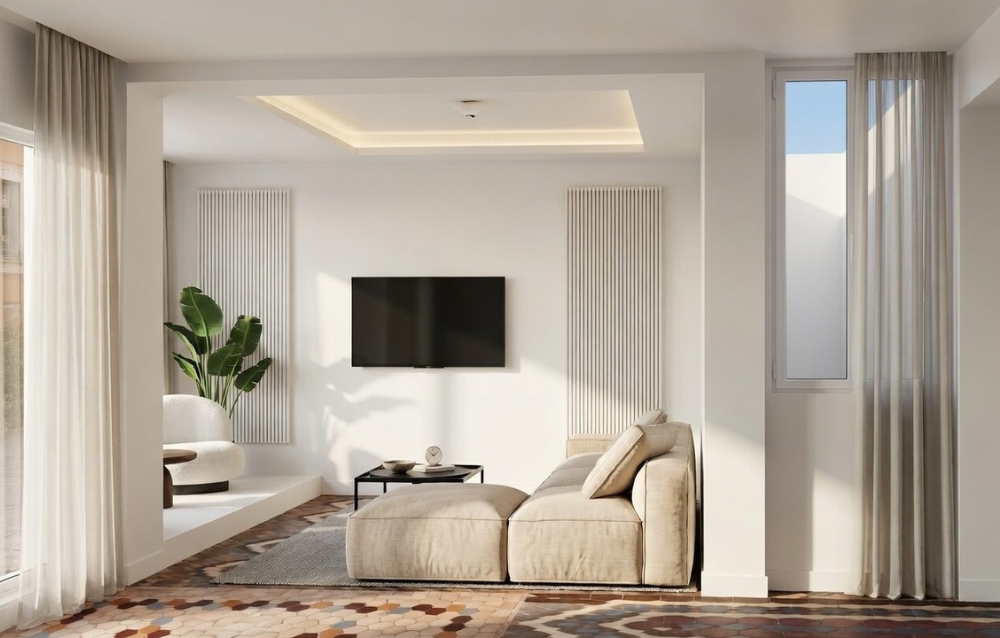

Convento San Francesc, 5
Funded
100%
€676,972.00
Target
€676,972.00


.png)
.png)
.png)
.png)




.png)
.png)
.jpeg)


