

Cordoba is located in the heart of Andalusia, in southern Spain. Just over an hour by high-speed train (AVE) from Seville and Malaga, and about two hours from Madrid, it is a medium-sized city, with around 325,000 inhabitants, combining the tranquility of a large town with all the amenities of a capital city.
Its historic center, a UNESCO World Heritage site, is home to unparalleled architectural gems such as the Mosque-Cathedral, the Alcázar de los Reyes Cristianos, and the Jewish Quarter. But it is also a modern city, with residential neighborhoods, parks, a vibrant cultural life, and a social calendar marked by its famous festivals, such as the Patios de Córdoba in May.


Living in Cordoba is significantly more affordable than in most Spanish provincial capitals. For both basic necessities and leisure, your money goes further. A meal for two at a mid-range restaurant is around €40, a beer costs from €2.50, and a coffee about €2. Basic utilities (electricity, water, etc.) amount to around €150 per month.
The pace of life in Cordoba is relaxed. The city is compact enough to get around on foot or by bike, promoting a healthy lifestyle. And its cultural offerings are inexhaustible, with flamenco festivals, concerts, exhibitions in its many museums, and exploring the narrow streets of the historic center.
Cordoba is considered a very safe city, with low crime rates. It is common to see families and elderly people strolling peacefully at any time of day or night. This safety, combined with its human scale and abundance of green spaces, makes it an ideal environment for raising children and for those seeking to live with fewer worries.
The average price of residential property in Cordoba is around €1,650 per square meter. This figure remains very competitive when compared to cities like Seville or Malaga.
The city center is the most expensive area, with prices that can exceed €2,200/m², due to its historical value. Housing supply is often limited and frequently requires renovation.
Residential areas like Zoco or Ciudad Jardín are highly sought after by families. Prices range between €1,500/m² and €1,900/m², offering more spacious homes. In recently developed neighborhoods (Vistalegre, Huerta de la Reina), new construction developments can be found with more affordable prices, between €1,300/m² and €1,600/m².
In peripheral neighborhoods (Fátima, Sector Sur), options are more economical, with prices below €1,200/m².
The rental market has seen a notable increase. An 80 m² apartment costs approximately €800 per month. The most central areas have higher rents.
These are the historic heart, with cobblestone streets, charming squares, and all services and entertainment close at hand, ideal for those who value beauty and urban life. The main drawbacks are the tourist hustle and bustle and the difficulty of parking.
A family-friendly neighborhood with green spaces, quality schools, and large shopping centers. Its atmosphere is quiet, orderly, and cosmopolitan, with all the conveniences of modern life just a few minutes from the city center.
Located by the river, it's a neighborhood for artists, freelancers, and entrepreneurs, with an alternative vibe and a rich cultural offering, art galleries, and coworking spaces.
Located near the bullring, it offers a residential and peaceful lifestyle without sacrificing proximity to the city center, ideal for families seeking a community atmosphere and a relaxed environment.
The city has an excellent public and private healthcare network. It features several health centers distributed throughout all neighborhoods and two major reference hospitals: Hospital Universitario Reina Sofía (public) and Hospital Cruz Roja, in addition to numerous private clinics, some offering services in English.
There are numerous public, semi-private, and private schools, including centers with bilingual and international programs. The prestigious University of Córdoba is also located here.
Safety is one of Córdoba's strong suits. It is a peaceful city where the sense of security on the streets is high, greatly contributing to the well-being of its residents.
In addition to the Patios and Holy Week, declared Festivals of International Tourist Interest, the city offers a stable circuit of theater, music, and exhibitions. The selection of bars and restaurants is excellent, allowing visitors to enjoy the rich local gastronomy at affordable prices.
The urban bus network (Aucorsa) efficiently covers the entire city. And the AVE high-speed train station connects it with Madrid (less than 2h), Seville (45 min), and Malaga (1h), making it an ideal base for business or leisure travel.
The job market is smaller than in major cities, with an economy focused on the service sector, tourism, and public administration. For professionals in very specific fields or those seeking employment in technology, opportunities may be more limited, although remote work opens up new possibilities.
The pace of life is calm and family-oriented. Schedules are typically Andalusian, with late lunches and even later dinners. It's a lifestyle that encourages tranquility and enjoying the present moment.
Seville is a regional metropolis with a much wider range of international leisure, employment, and services. However, it is also more expensive, crowded, and stressful. Cordoba offers a more affordable, tranquil, and manageable alternative, rich in historical heritage.
Malaga is the capital of the Costa del Sol, with a dynamic international airport and an economy linked to tourism and technology. It is more expensive, especially along the coast. Cordoba offers more authenticity, local life, and a lower cost of living.
Granada has a more vibrant university atmosphere, the spectacular Alhambra, and colder winters. Cordoba is flatter, with a more walkable historic center, and slightly lower housing prices.
It is one of the best options in Andalusia for family life. Its size allows children to gain independence early, traveling to their activities on foot or by bike. Safety, parks, quality educational offerings, and numerous extracurricular activities create an ideal environment for child development. The sense of community and warm climate encourage spending time outdoors, fostering an active and healthy lifestyle.

The gross rental yield is around 5% - 6% annually, although it can be higher for well-managed tourist apartments in the city center. Rental demand is strong. We recommend reading our guide: investing in tourist apartments.
Even though prices have already increased, Cordoba has room for growth, especially in neighborhoods undergoing rehabilitation or improvement. The arrival of digital nomads and the demand for second homes continue to drive the market.
In the historic center for luxury vacation rental investment, in Zoco and its surroundings for residential rentals to families (with high demand and lower turnover), and in areas near the AVE high-speed train station, there is development that can generate appreciation opportunities.
The local economy is partly dependent on tourism, with low seasons, the climate is extreme with very hot summers, and it's necessary to be aware of potential municipal regulations that could limit VFT licenses in the historic center.
You may also be interested in: second home.
It depends on your lifestyle. The Jewish Quarter/City Center for history lovers and those who enjoy a lively atmosphere; Zoco for families seeking comfort; Guadalquivir for a creative environment; and Santa Marina for tranquility near the center.
Residential neighborhoods like Zoco, Ciudad Jardín, or El Brillante are perceived as particularly quiet and safe 24/7.
The most affordable areas to live are usually the peripheral neighborhoods like Fátima, Sector Sur, or Poniente, where housing prices are lower.
El Brillante is the premier luxury residential area, with large villas and private developments. There are also high-end areas on Avenida de la Arruzafa and in some streets of Ciudad Jardín.
Cordoba does not have neighborhoods considered dangerous. Some areas of The Palmeras or Sector Sur areas may have a worse reputation, but violent crime is very low.
The real estate market is evolving towards a more inclusive model. Domoblock opens the door to investments starting from €200, allowing you to participate in real estate assets based on real estate tokenization 100% online.
Backed by blockchain, our real estate investment platform offers secure and fully transparent operations. With House flipping in Spain projects that aim to generate returns exceeding 10%, with capital return periods ranging between 8 and 12 months.
At Domoblock, we currently do not have investment projects in Cordoba, but we do offer real estate opportunities in other key cities in Spain:
Domoblock, the ideal option for building financial freedom through real estate crowdfunding and safe and profitable digital investments in 2026!
In 2026, Cordoba is a unique option for those seeking quality of life, a culturally rich environment, and an affordable cost of living, with safety and a relaxed pace. For investors, it offers good opportunities, especially in tourist rentals and due to the high value of its historic buildings.


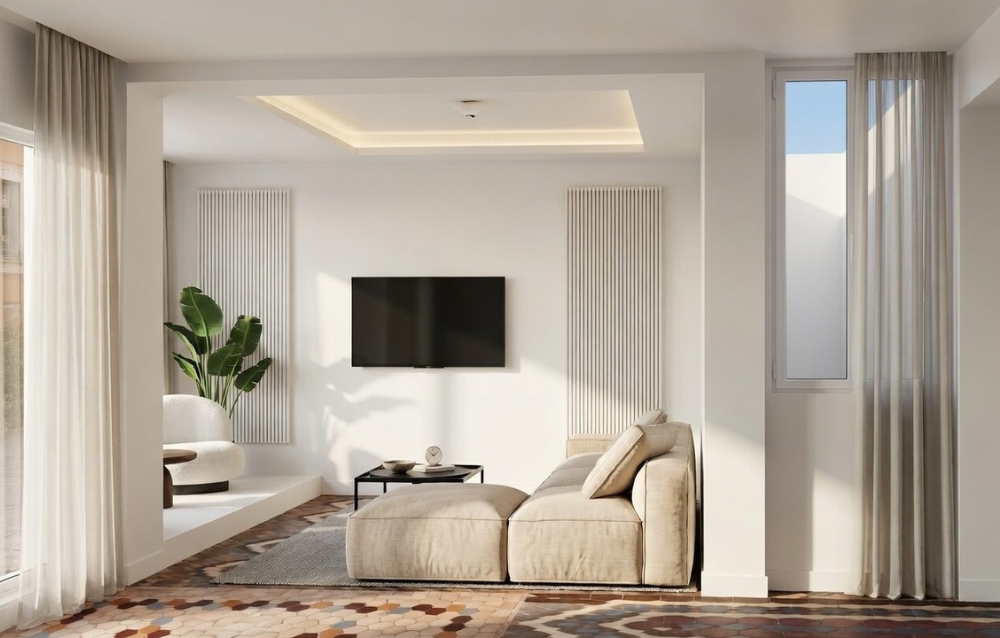

Convento San Francesc, 5
Funded
100%
€676,972.00
Target
€676,972.00


.png)
.png)
.png)
.png)



.png)
.png)
.jpeg)


