
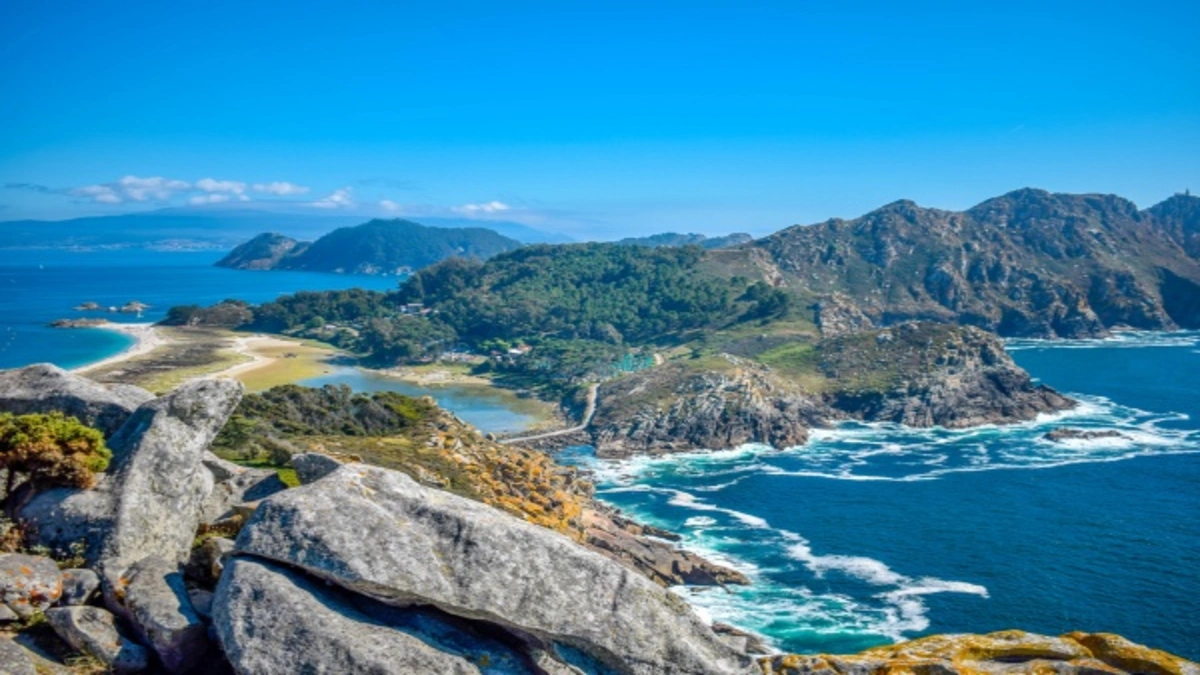
Galicia has become a focal point for domestic and international real estate investors; the autonomous community offers a unique landscape for those looking to diversify their portfolio with tangible assets.


Galicia has built a diversified and robust economy. Traditional sectors like fishing and agriculture coexist with a strong industrial sector and an expanding service sector, acting as a buffer against sectoral crises and providing a solid foundation for the real estate market.
It offers one of the best qualities of life in Spain: spectacular landscapes, world-renowned gastronomy, low pollution and crime rates, and a top-tier healthcare and education system.
Despite sustained growth in recent years, the average price per square meter in Galicia remains below the Spanish national average, representing an attractive appreciation potential.
The Xunta de Galicia and local councils are promoting energy rehabilitation, digital transformation, and urban regeneration, generating specific investment opportunities in renovations and sustainable projects.
The average housing price in Galicia is around 1,950 €/m², with variations between areas. Santiago de Compostela and the coastal areas of A Coruña and Pontevedra exceed 2,500 €/m², while in inland cities like Lugo or Ourense, opportunities can be found below 1,500 €/m². The rural market offers lower prices.
Gross rental yield in major cities ranges between 4.5% and 6.5%. A moderate but constant annual appreciation growth of 3% to 5% is expected for 2026-2027, driven by demand, limited new supply in historic centers, and infrastructure improvements.
Demand is strong and diverse, including students in Santiago, A Coruña, and Vigo who seek room rentals and small apartments; young professionals and families looking for 2-3 bedroom homes in well-connected areas; digital nomads and remote workers seeking charming properties with good internet connectivity; and national and foreign retirees who concentrate on the coast and heritage cities, looking for comfortable, accessible apartments with amenities.
You may also be interested in: types of real estate investments.
The most populated city with high and constant demand. Key areas include the Ensanche district, the area around El Temple, and coastal towns in the metropolitan area such as Oleiros or Sada, with high demand for holiday and residential rentals.
The market is dynamic, with a strong industrial and port presence. Key areas include the city center (Berbés, Teis), the residential neighborhood of Castrelos, and, above all, the Rías Baixas coastline, where high-end holiday rentals and the second home market offer very attractive returns during high season.
University demand guarantees rentals for 10 months a year. It's a tourist and administrative magnet. Key areas include ****the historic center, the Ensanche district, and areas near the university campuses.
They offer investment opportunities with a lower outlay. Lugo and Ourense are experiencing a revitalization of their historic centers and improvements in connectivity. Ferrol, with its strong naval industry, has a stable demand for blue-collar workers and professionals.
Areas like Malpica, Camariñas, or the Lugo coast attract tourists seeking to escape mass tourism. Investing in renovated traditional houses for quality holiday rentals is a growing trend with good prospects.
For traditional residential rentals, 4.5% - 6.5% gross annually; holiday rentals can reach between 7% and 10% gross during high season. Capital appreciation has an average expectation of 3%-5% annually by 2026.
In tourist areas, income can be concentrated within 3-4 months. In rural areas, the market can be very narrow or non-existent. Urban planning procedures and licenses can be slower than in other communities, and due to the humidity and rain in the area, constant property maintenance is required to prevent moisture from leaks or "mold."
There are planned improvements to the railway network (Atlantic corridor) and roads. Galicia is a leader in wind energy, attracting investment and skilled employment, with a focus on sustainability, mandatory and in-demand energy rehabilitation, and has programs to attract remote workers and digital nomads.
The ITP (Property Transfer Tax) is between 8% and 10% of the purchase price (for used homes) or 10% VAT (for new homes). The IBI (Property Tax) varies by municipality.
Rental income is integrated into the general income tax (IRPF for residents) or the Non-Resident Income Tax (IRNR), with a general rate of 19% (EU/EEA citizens) or 24% (others), and there is a municipal tax on the Increase in Value of Urban Land (Plusvalía Municipal) upon sale.
Non-residents are taxed under the IRNR. Upon sale, a 19% tax applies to the gain. Double taxation agreements with the country of origin are key.
Galicia has transferred powers in primary residence. There are subsidies and tax benefits for rehabilitation and for improving energy efficiency. Tourist rental regulations vary greatly between municipalities, so it is essential to consult local ordinances before investing.

Yes, Galicia is a safe, welcoming region with a stable legal framework within the EU.
You must obtain an NIE, open a Spanish bank account, appoint a tax representative in Spain (mandatory for non-residents), and it is recommended to have a good local tax and legal advisor to guide the process.
Preferred by international capital, especially Portuguese, British, and Nordic, for its climate, gastronomy, and luxury vacation rental opportunities.
It attracts investors due to its unique character, heritage, and stable university market, popular among French and Italian investors.
It attracts investors seeking authenticity and a slower pace of life, often interested in renovating properties.
Seeking immediate rental returns or long-term appreciation, a residential or vacation property – these are options that will determine the area and type of property.
Observe the light, noise levels, orientation, and the real condition of the community and neighborhood. In Galicia, micro-zones are very important.
An architect or quantity surveyor to assess the construction's condition, a lawyer specializing in property and local regulations, and a rental or property manager if you won't be living nearby.
A property with a good energy rating (A, B, C) saves costs, rents or sells faster, and may qualify for subsidies.
Galicia is a market of steady value accumulation. Patience and good management are often rewarded.
It depends on the area. For a 60-70 m² apartment in an inland city like Ourense, you might need from €80,000, plus purchase costs (8-12%). In A Coruña or Vigo, for a similar apartment, the entry price can be €120,000-€150,000. In the Rías Baixas, for a vacation rental property, budgets typically start at €200,000.
Yes, especially in major cities and tourist coastal areas. Demand is robust, and entry prices allow for attractive gross returns.
Santiago de Compostela typically offers the highest gross rental yields, closely followed by Vigo and the tourist hubs of Rías Baixas for vacation rentals.
A medium to long-term investment strategy (minimum 5-8 years) is ideal. It allows you to capture appreciation and amortize entry costs.
You might be interested in: investing in tourist apartments.
Investing in real estate is no longer reserved for large capital. With Domoblock, you can access tokenized real estate projects starting from just €200, removing barriers and embracing a modern, accessible investment model.
Thanks to its blockchain technology based on real estate tokenization, our real estate investment platform offers transparency, security, and control in every transaction. Furthermore, projects are designed to generate returns exceeding 10% and allow for capital recovery within an estimated 8 to 12 months.
At Domoblock currently we do not have investment projects in Galicia, but we do offer real estate opportunities in other key Spanish cities:
Domoblock transforms the way you invest in real estate, offering you a digital, flexible alternative aligned with your financial freedom goals!
Galicia is solidifying its position in 2026 as a real estate opportunity with competitive returns, still accessible prices, and a quality of life that attracts new demand. It's not a market for quick gains, but rather an option to build wealth with stability and a long-term vision.


.png)

41 Av. del Oeste
Funded
-
-
Target
€763,249.36


.png)
.png)
.png)
.png)



.avif)
.avif)


