.png)
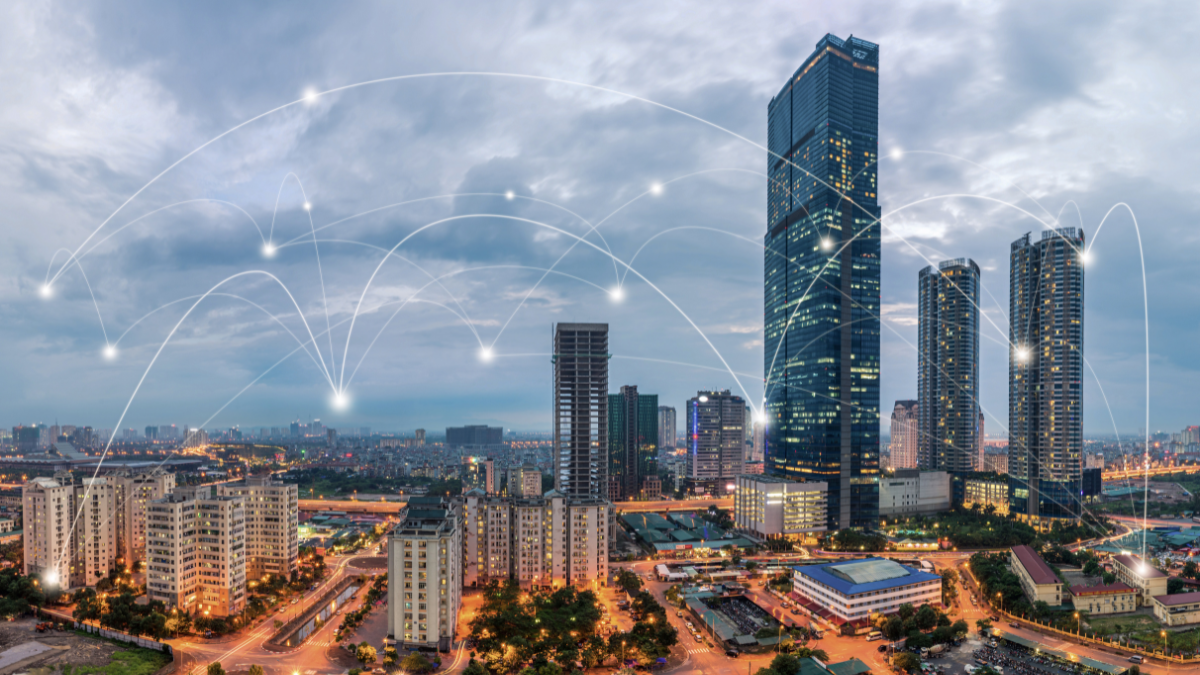
Un fenómeno urbanístico bastante destacado en los últimos 10 años hace mención a la gentrificación, un término algo complejo de pronunciar, pero de obligatorio análisis. Este proceso ocurre, básicamente, cuando un barrio popular con muchas carencias, es desplazado, gradualmente, por personas con mayor poder adquisitivo, desterrando a los otrora habitantes.
En esta oportunidad vamos a analizar en detalle qué es la gentrificación, cómo nace y cuáles son sus efectos en el precio de la vivienda. También vamos a explorar sus tipos, las causas que la generan, veremos algunos ejemplos y las respuestas para combatirla o por lo menos prevenirla.

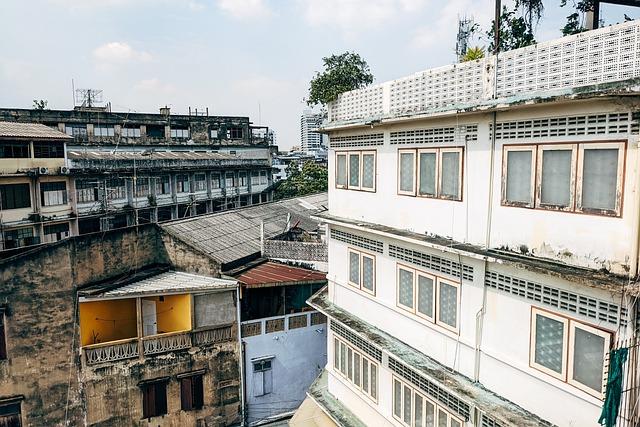
Como mencionamos, la gentrificación es un proceso donde vemos la renovación de un barrio o área urbana donde los precios de la vivienda aumentan rápidamente. En este caso, las personas de clase media comienzan a mudarse a esta zona, y las personas de bajos ingresos pasivos rentables prácticamente son obligadas a irse.
El vocablo gentrificación deriva del inglés “gentry”, que fue traducido libremente como “burgués”, pero esto implica mucho más que un simple aburguesamiento de la sociedad. Lleva implícita la expulsión de las personas más necesitadas, y un cambio de vida del sector o barrio, de una manera radical.
Este fenómeno urbanístico se presenta como una especie de mejora de la calidad de vida urbana que, aunque al final, es real, beneficia a pocos. Los principales beneficiados son los nuevos residentes del barrio y las personas con alto poder adquisitivo que comienzan a frecuentar la zona hasta mudarse a esta.
Los antiguos residentes, en su gran mayoría, se ven desplazados debido al cambio de las condiciones y del incremento de las viviendas y los servicios. En un contexto actualizado, y con la llegada de las plataformas de inversores peer to peer para el alojamiento turístico se están generando oportunidades especulativas de vivienda.
Esta especulación ocurre en parte de la disponibilidad inmobiliaria española, que al final, afecta el segmento más pequeño y más barato de las viviendas y a la inversión de departamentos. Esto genera una nueva forma de explotación que, al final, contribuye de una manera parcialmente al alza de precios de las viviendas, especialmente de alquiler.
De esta manera, la gente viene popularizando dos nuevos vocablos: turismofobia y turistización, que, como procesos, se enlazan de manera directa con la gentrificación. Sin embargo, el proceso de turistización ha resultado más tóxico en sus efectos porque está sustituyendo a una población por una no población.
Este proceso afecta con mucha más rapidez, y hace que los responsables políticos hablen de una “gentrificación 4.0” con claras amenazas de generar lugares urbanos deshumanizados. A esto le agregan que estarían carentes de los servicios básicos para un residente estable, como el comercio, precios accesibles para la vivienda, entre otros.
Incluso, se habla hasta de las condiciones mínimas para el reposo de la gente, y la situación es mucho más grave en zonas turísticas. Es decir, transforma aquellos espacios donde los profesionales de cualquier tipo tendrán apuros para encontrar alojamiento cerca de su sitio de trabajo.
Para varios autores, el mundo está ante la cuarta ola de gentrificación, donde se está abandonando la referencia clásica: la rehabilitación de barrios para masificarse. De esta manera poder abarcar nuevas geografías, abarcando fuentes de agua, áreas y periferias urbanas y rurales; implementando la rehabilitación, destrucción y obra nueva.
Sin embargo, permanece la constante del desalojo de los residentes de bajos recursos, despojándolos de sus barrios para destinarlos al consumo, no sólo de residencia. En este sentido hay varios tipos de gentrificación, que por su destino principal pudiera clasificarse así:
Referida a la invasión de una cantidad de estudiantes de clase media, de barrios y pueblos cercanos a una universidad, por ejemplo. Se conoce de casos de estudiantificación que eventualmente convierten un pequeño poblado en verdaderas urbes donde los estudiantes son los protagonistas de cambios sociales.
Pequeñas ciudades que han servido de modelo o centros de monitoreo para establecer universidades o institutos de educación superior, son convertidas en ciudades estudiantiles. Serían algunos puntos a favor de la gentrificación que, como ya vimos, también genera consecuencias no del todo positivas, especialmente para los pobladores originales.
Vista como la invasión de pequeños comerciantes de lujo al menudeo que llegan para sustituir la función habitacional de obreros y personas de bajos ingresos. Es así como van naciendo los conocidos minimarkets, cafés, improvisadas tiendas de venta de ropa, comedores populares que funcionan en casa de familia.
La boutiquización logra finalmente formalizar un tipo de comercio que inicialmente comenzó de manera informal, porque las autoridades “los asimilan” y exigen pago de impuestos. Se trata de algo que genera recursos para los ayuntamientos pero también se convierten en consumidores de servicios que a veces no existen.
Definida como la transformación de barrios en enclaves destinados exclusivamente a los turistas, con frecuencia con una oferta de entretenimiento corporativo. La vivienda popular es sustituida por alojamientos, restaurantes y otros servicios para el consumo turístico, y una variante ocurre con la gentrificación de ciudades costeras.
Aquí, los pueblos de pescadores, por ejemplo, son transformados en centros de veraneo y descanso para la clase media local e internacional.
Proceso que ocurre en cascada, de una gran ciudad, como Londres, por ejemplo, hacia las ciudades más pequeñas. Los pueblos van siendo tomados paulatinamente por los nuevos residentes y sus nuevas edificaciones, que terminan transformándolos en “ciudades dormitorio”.
Es una invasión de clases medias, buscando un alojamiento permanente cerca del campo, desplazando a campesinos y residentes de las zonas rurales. Una consecuencia fatal de esta gentrificación es la desaparición de zonas de cultivo y crianza de animales para ser beneficiados y comercializados.
Es un proceso de “rehabilitación” de barrios, costas habitadas o centros residenciales del tercer mundo, para destinarlos a las clases medias del primer mundo. Este urbanismo neoliberal, que afecta a las ciudades del mundo entero, es una forma de neocolonización de las clases medias y la raza blanca.
Hace referencia a una mayor intensidad del fenómeno de gentrificación que se desarrolla en algunos barrios selectos de grandes ciudades, como Nueva York. Este fenómeno involucra más financiamiento privado, cambios sociales más enérgicos, traducidos en más desalojos y exclusión, y a una élite mundialmente conectada.
La gentrificación es algo realmente complejo y con múltiples facetas que surge al combinarse algunos factores económicos, sociales y políticos. Aquí mencionamos algunas de sus principales causas:
Las áreas urbanas céntricas, con transporte, servicios y oportunidades de trabajo, son altamente atractivas para nuevos inversionistas y residentes.
El interés inmobiliario de los promotores y fondos de inversión y el apoyo municipal, en muchos casos, coadyuvan en fomentar este fenómeno.
Migración de grupos de profesionales jóvenes, artistas y otras personas de clase media - alta se mudan a barrios accesibles, aportando energía y atrayendo a otros.
La búsqueda de espacios de barrios serios y auténticos, que permita alejarse de zonas suburbanas.
Planes y Proyectos gubernamentales dirigidos a revitalizar áreas urbanas deterioradas, definitivamente impulsan la gentrificación, atrayendo inversiones y mejoras en la infraestructura.
El incremento del costo de la vida y la inflación en otras zonas de la ciudad pueden transformar barrios que anteriormente eran menos atractivos. El acceso a créditos hipotecarios y financiamiento para adquisición y renovación, facilita la compra y mejora de inmuebles en estos barrios, además que también hace más fácil el invertir en inmuebles con poco dinero
La popularidad de plataformas digitales para el alquiler temporal aumenta la demanda de viviendas en algunas áreas, incrementando los precios y promoviendo la turistificación.
La falta de viviendas accesibles en ciertas partes de la ciudad, genera presión en los residentes para buscar opciones en barrios más económicos. Los inversionistas compran propiedades porque saben que pueden aumentar el valor liquidativo rápidamente, y esto desplaza a las personas de menores ingresos.
La principal consecuencia generada por la gentrificación es el proceso de desplazamiento de las personas de un barrio determinado hacia áreas más accesibles. Resulta bastante frecuente ver este “éxodo masivo” desde las zonas más céntricas hacia la periferia, incluso puede verse cómo los propios barrios periféricos se “gentrifican”.
También estamos viendo cómo el proceso de gentrificación afecta los usos del área afectada, siendo cada vez más “normal” que algunos barrios cuenten con una reducida población estable. El resultado es un cambio radical del tipo de comercio, donde desaparecen los servicios básicos y las condiciones de habitabilidad, como dormir por las noches.
Otra consecuencia de la gentrificación es el incremento de la cantidad de desplazamientos entre la periferia y las zonas céntricas. Esto es porque una enorme cantidad de personas deben trasladarse desde sus residencias hacia sus lugares de trabajo, con una mayor oferta cultural y servicios recreativos.
Esto afecta drásticamente el alquiler de larga duración, que termina reduciéndose y encareciéndose considerablemente, y la población estable comienza a verse sustituida por población flotante. Luego aumentan los servicios básicos, y el comercio diseñado para satisfacer algunas necesidades de los visitantes, desaparece, lo que reduce la oferta para residentes habituales.
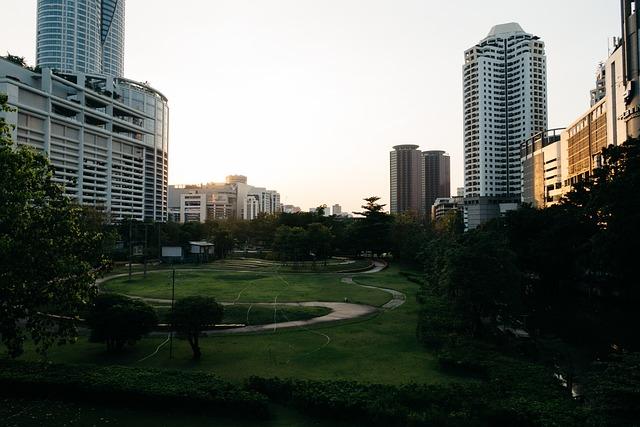
Existe un caso que ya se ve como un “clásico” de gentrificación, es el de Puerta del Ángel, Carabanchel o Usera, en Madrid. Aquí puede observarse cómo se incrementa el vivir de la renta per capita de sus habitantes al igual que el precio del alquiler.
Otro ejemplo lo vemos en el barrio de Malasaña, que pasó de un abandono durante los años 80 y 90 a ser un atractivo para jóvenes creativos. También se conoce el caso de los barrios de Lavapiés, La Latina, Huertas o Chueca, también en Madrid, un tipo de gentrificación “espontánea” y natural.
En cuanto a la “gentrificación Airbnb”, consecuencia de cambios más radicales, un ejemplo sería el de Barcelona, donde el turismo desplazó a muchos ciudadanos. Esto alteró la configuración, los usos y los servicios en áreas como Malasaña o Chueca que pasaron de una gentrificación espontánea a una gentrificación turística.
Son muchos los ejemplos de gentrificación en España como las fronteras de la inversión inmobiliaria que desaparecen cada vez más, debido a las políticas de atracción, de la tokenización de inmuebles, del crowdfunding inmobiliario como también de la inversión. Pero en definitiva, para intentar ver la gentrificación como algo positivo, sería cuestión de poner sobre una balanza los pros y los contras, y analizarlos.
Es un secreto a voces que los ciudadanos con menos recursos, se ven obligados a abandonar sus pisos en alquiler para buscar otro más accesible. Solo resta saber si las autoridades con capacidad de decisión son capaces de legislar en pro de los más necesitados, esperanza le llaman algunos.
Verificación de plagio:

Verificación de IA:


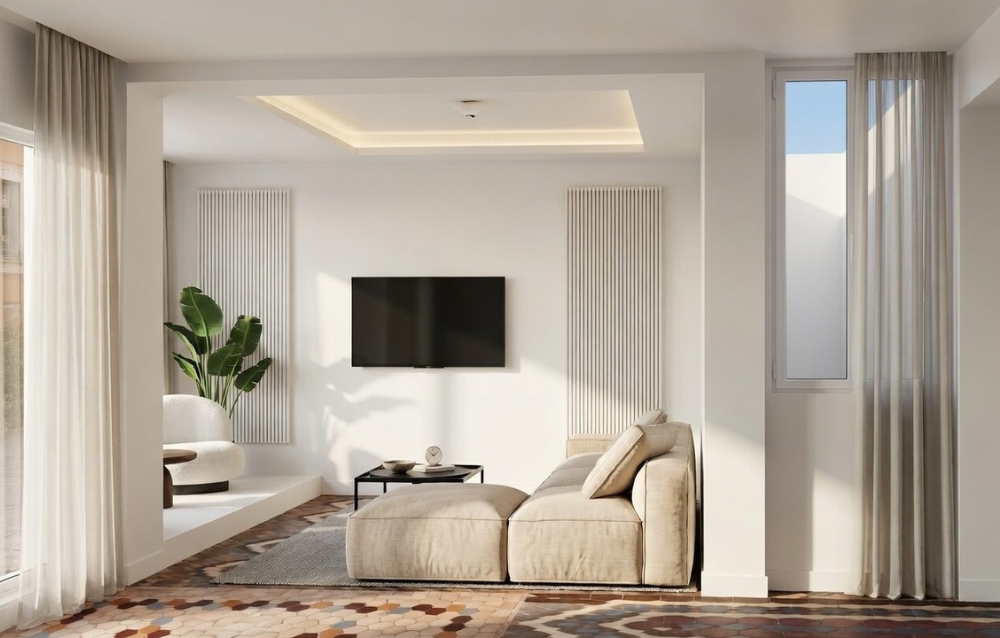

Convento San Francesc, 5
Funded
100%
€676,972.00
Target
€676,972.00


.png)
.png)
.png)
.png)




.png)
.png)